29
Mar
Windy Day Storytime

Kansas can see some wicked winds, especially in the springtime. (Insert Wizard of Oz joke.) Due to our naturally windy climate and the fact that I was itching to test out a new book on the storytime kids called Windblown (you can read my review here), the storytime theme for this week was “Windy Day”.
Here’s the line-up of what we read/sang…
Windy Day Storytime Line-Up:
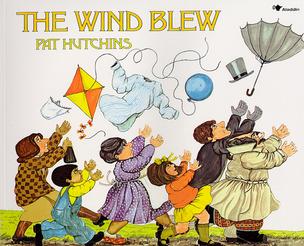
The Wind Blew by Pat Hutchins
The Wind Blew is a classic and regularly used book for storytime in our library. The wind picks up various objects one by one from around a town and creates quite the parade of townspeople scrambling for their items.
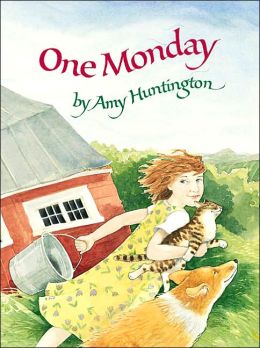
One Monday by Amy Huntington
The kids really enjoyed this book. The illustrations also reminds me a great deal of Kansas. Annabelle lives on a farm, and one Monday she wakes up to a very windy day. The story goes through each day of the week on Annabelle’s farm where each day seems to become more windy than the day before.
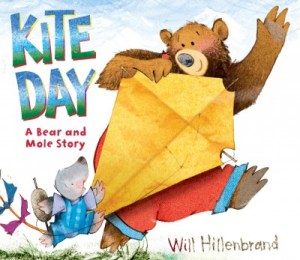
Kite Day: A Bear and Mole Story by Will Hillenbrand
Its hard to have a windy day storytime without a book about a kite. Bear goes out one day to find it’s the perfect kite day. He and his friend mole build a kite, but also get into a bit of a predicament as a storm rolls in.
Dandelion Seeds Fingerplay (modified from the Perry Public Library)

Like a Windy Day by Frank Asch & Devin Asch
A sweet and colorful book, Like a Windy Day follows a girl as she experiences all the daily activity and the multiple personalities of the wind.
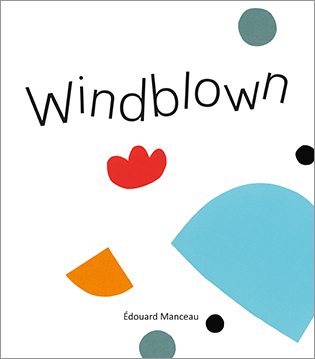
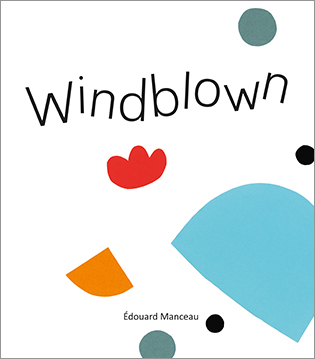
Windblown by Edouard Manceau
The featured title of storytime and the inspiration for the post-storytime activity, Windblown is about seven scraps of paper that appear and take shape of various animals with the wind as the narrator.
Windblown Craft:
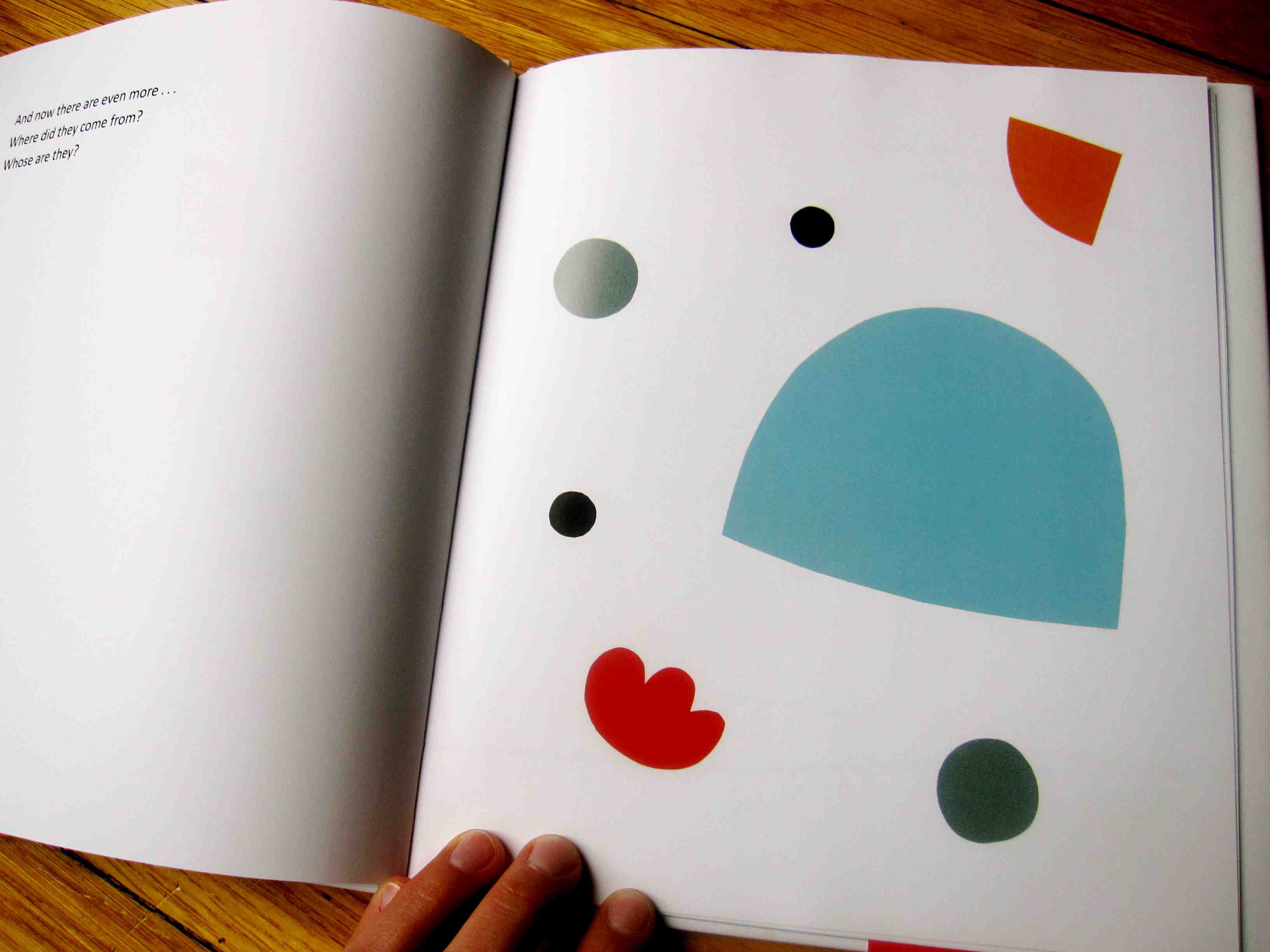
Like I mentioned above, Windblown is a story about seven scraps of paper told from the wind’s perspective. We don’t know where the scraps of paper came from, but they’re quickly claimed by various animals that take shape using them. Here are a few characters that come to be from the same seven paper scraps…
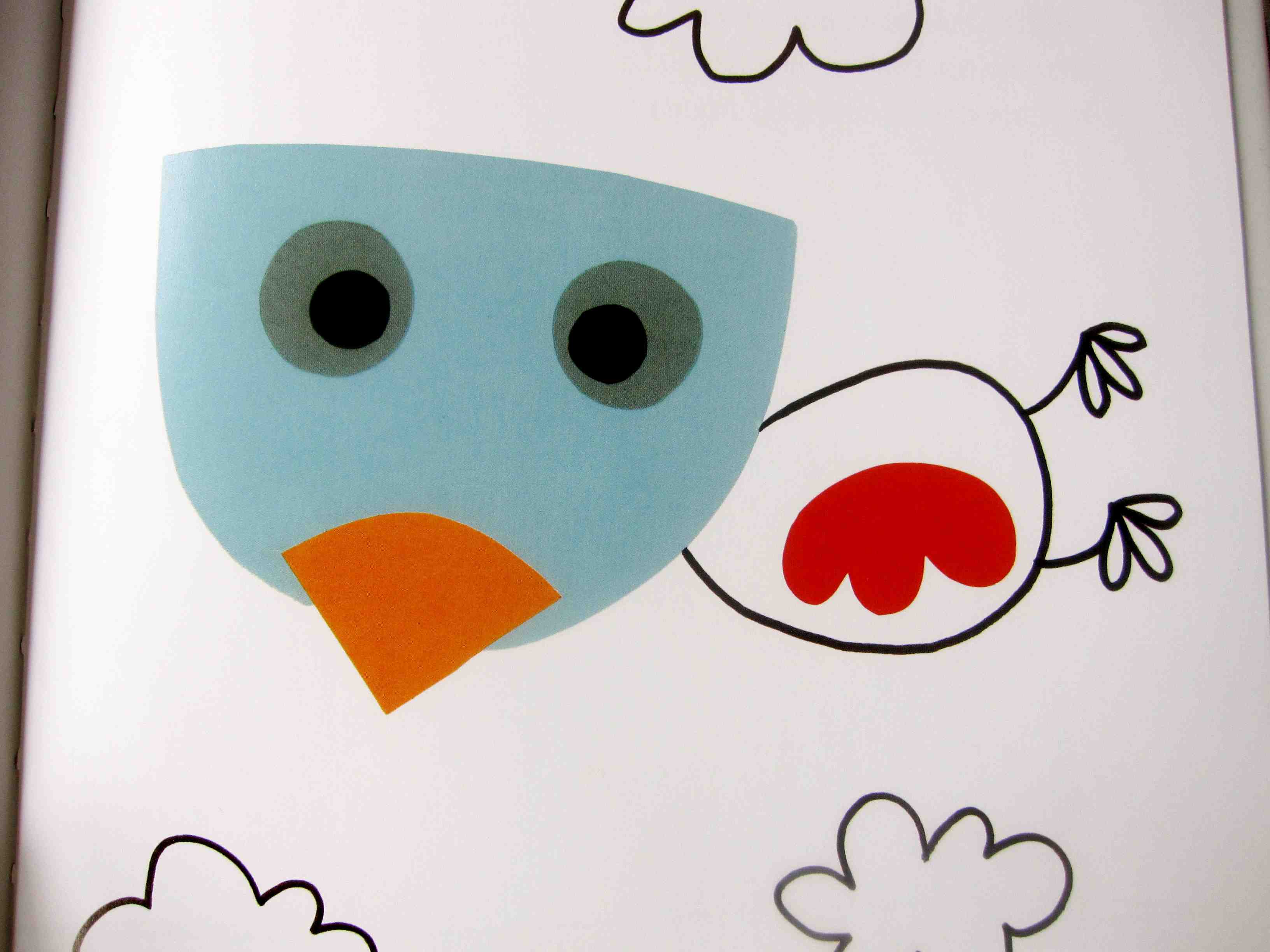
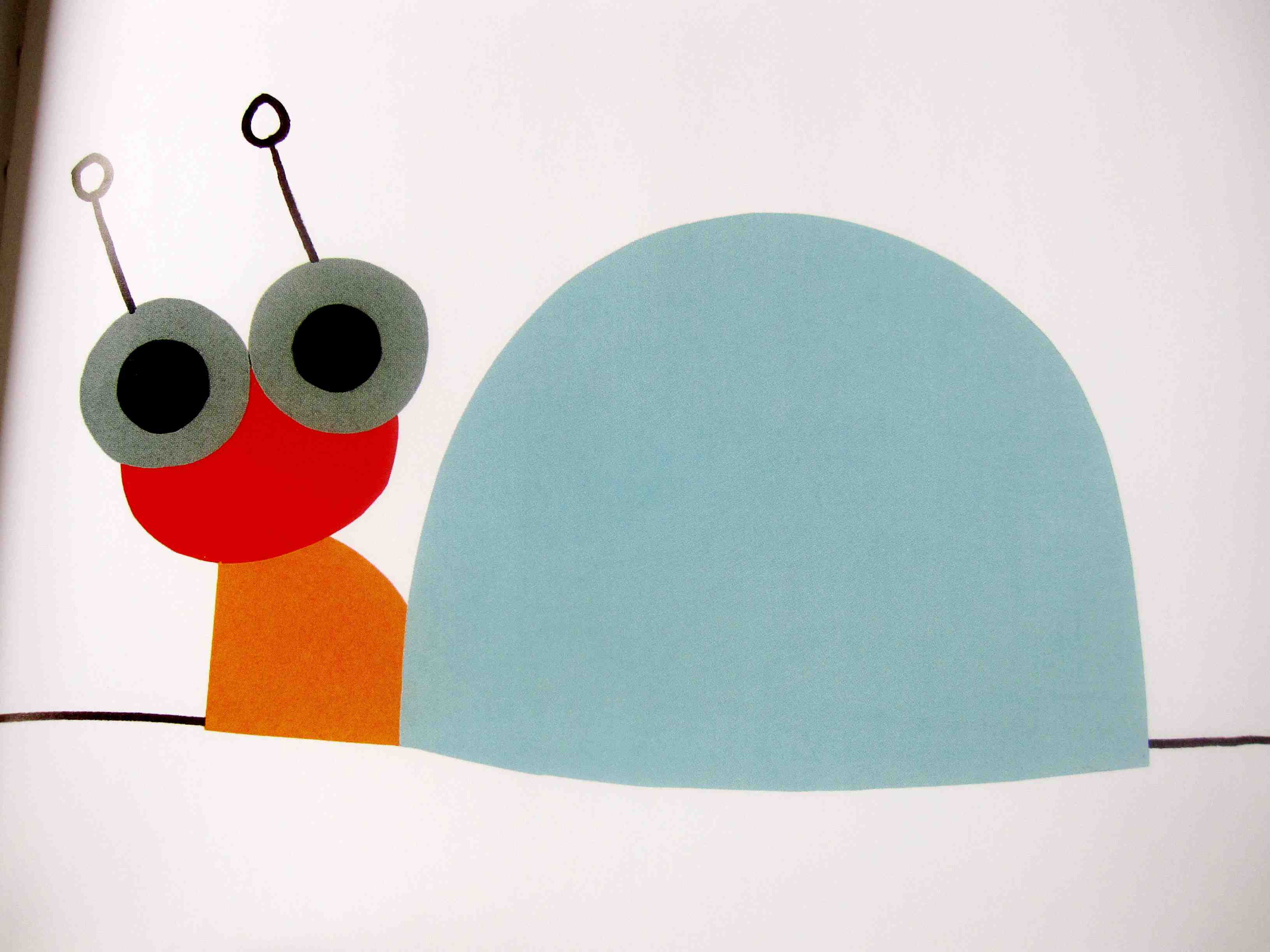
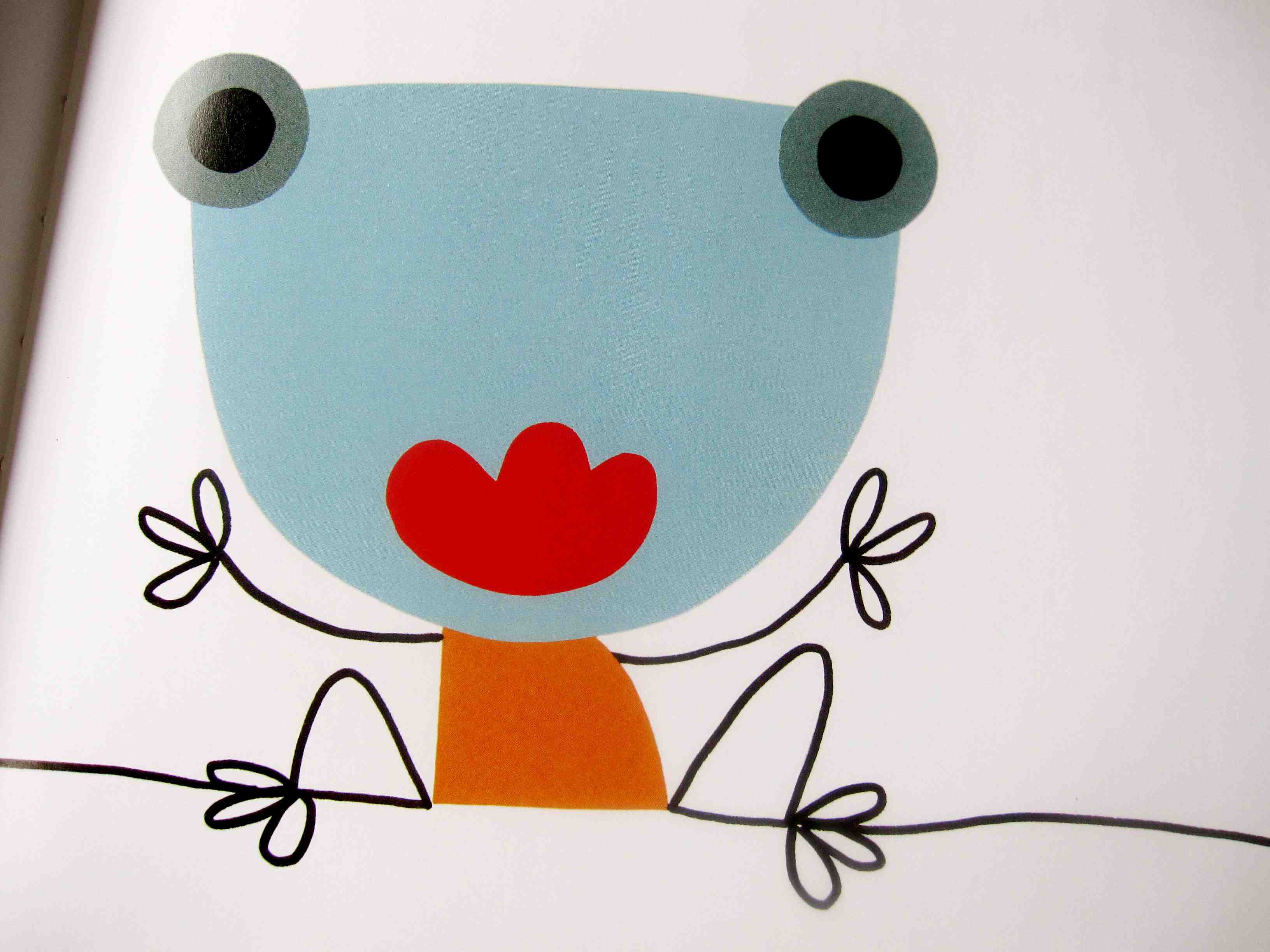
After multiple animals claim the scraps of paper as their own, the wind blows them into disarray and asks the reader to make their own creations. In the back jacketflap of the books is a URL for a free template of the shapes featured in the book, so the reader can actually cut out and manipulate the shapes into animal figures. I was so inspired by the creativity in this book and it’s activity, I thought it would be a great opportunity for the storytimers to exercise their collage art skills inspired by the figures in Windblown.
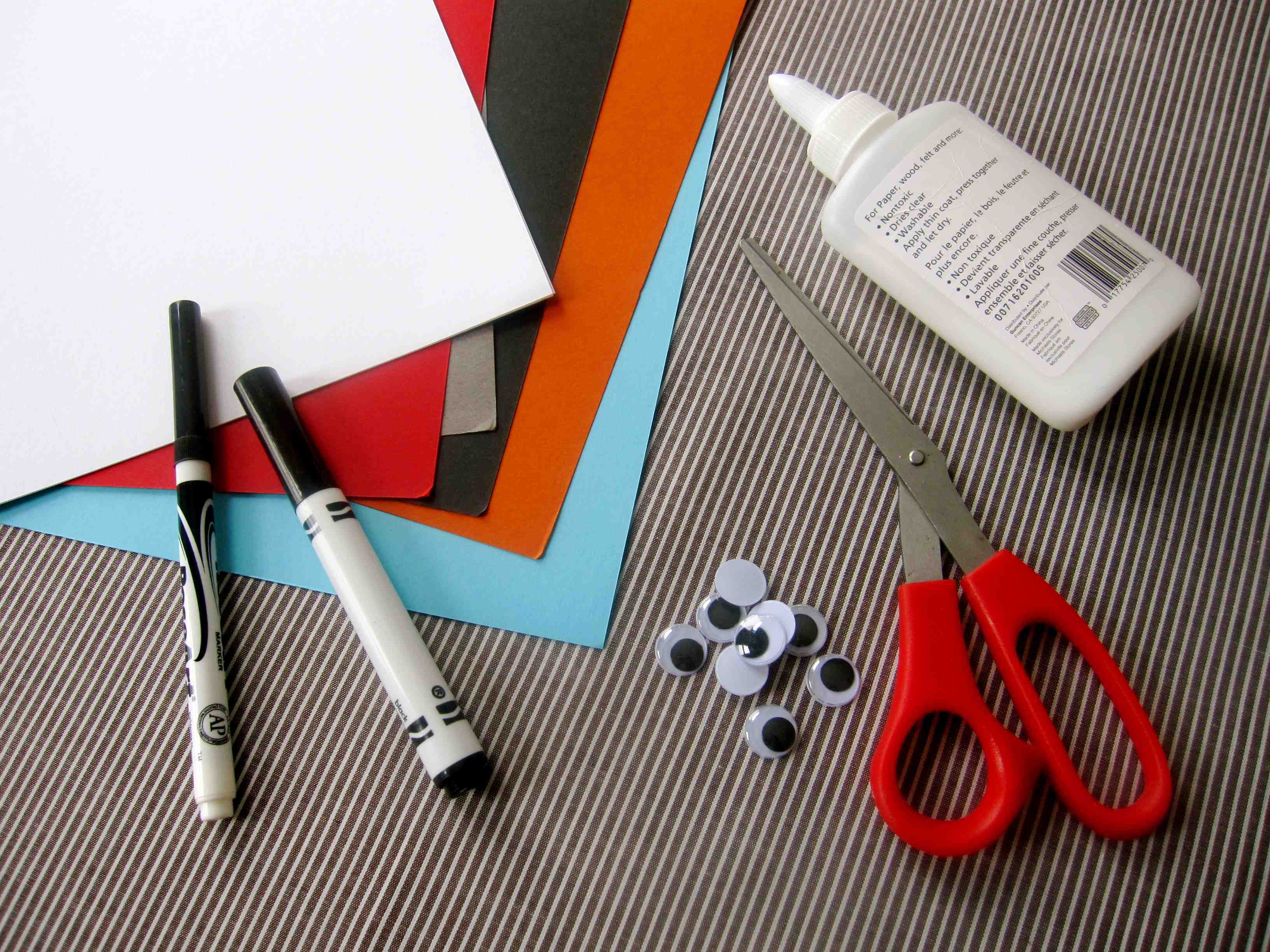
Materials used: cardstock, scissors, glue, black markers, and googly eyes (optional)
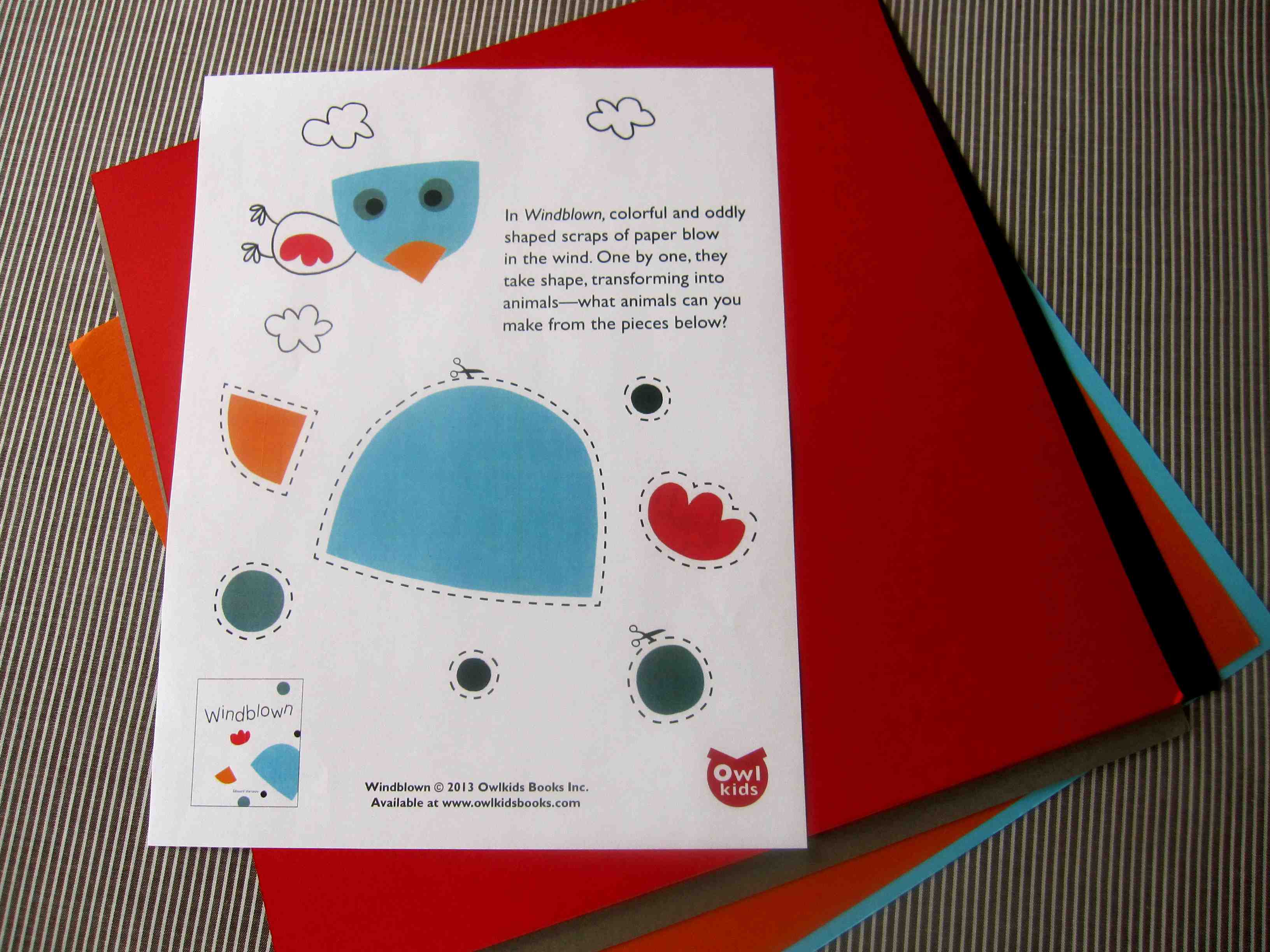
First, I printed out a Windblown Activity Sheet from the OwlKids website.
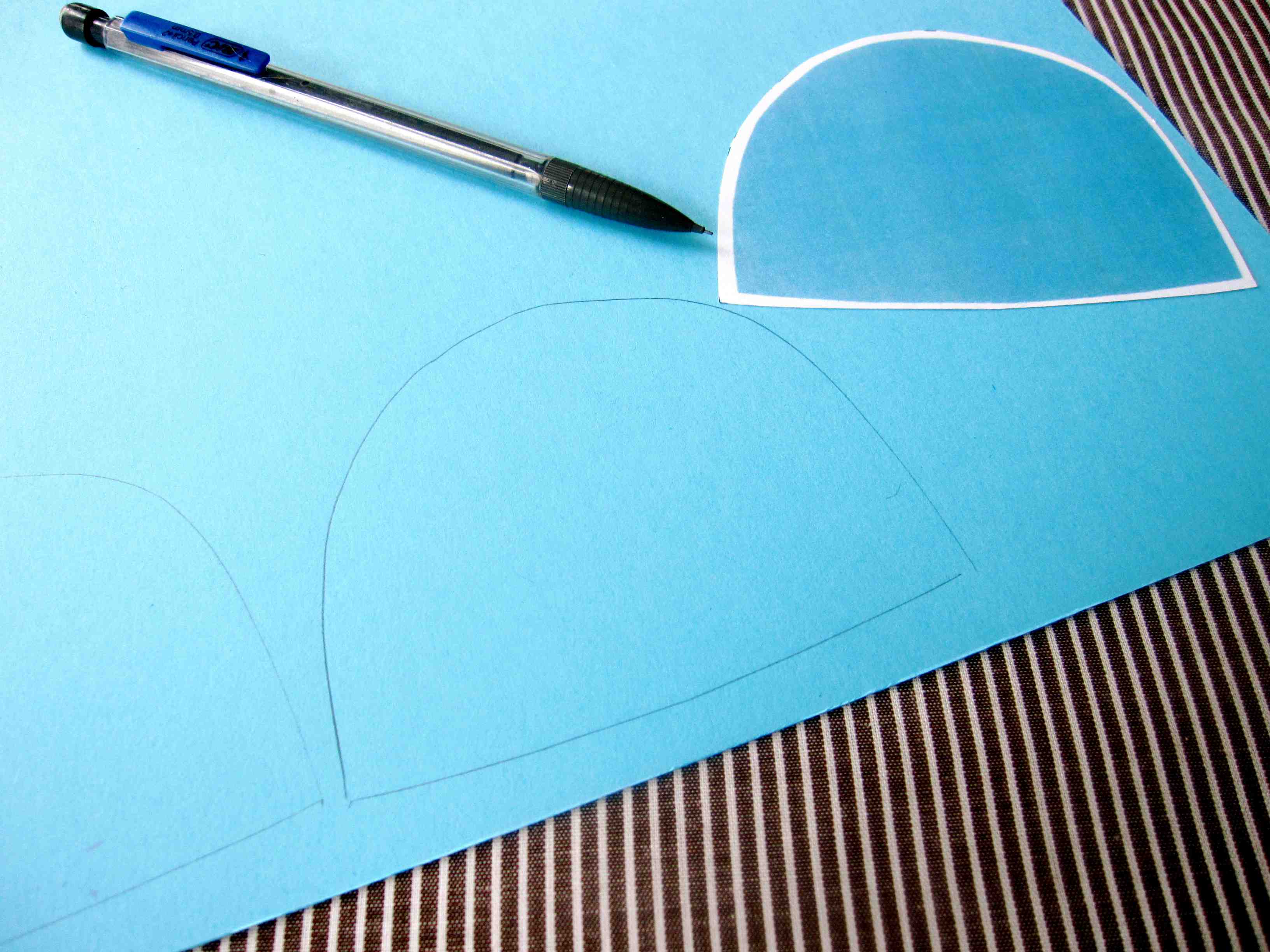
Instead of printing out multiple copies of the activity sheet and cutting out the shapes on printer paper (which would have taken forever!), I traced the shapes on colored cardstock paper in a semi-neat row, folded that row over one or two times, and cut the shapes out.
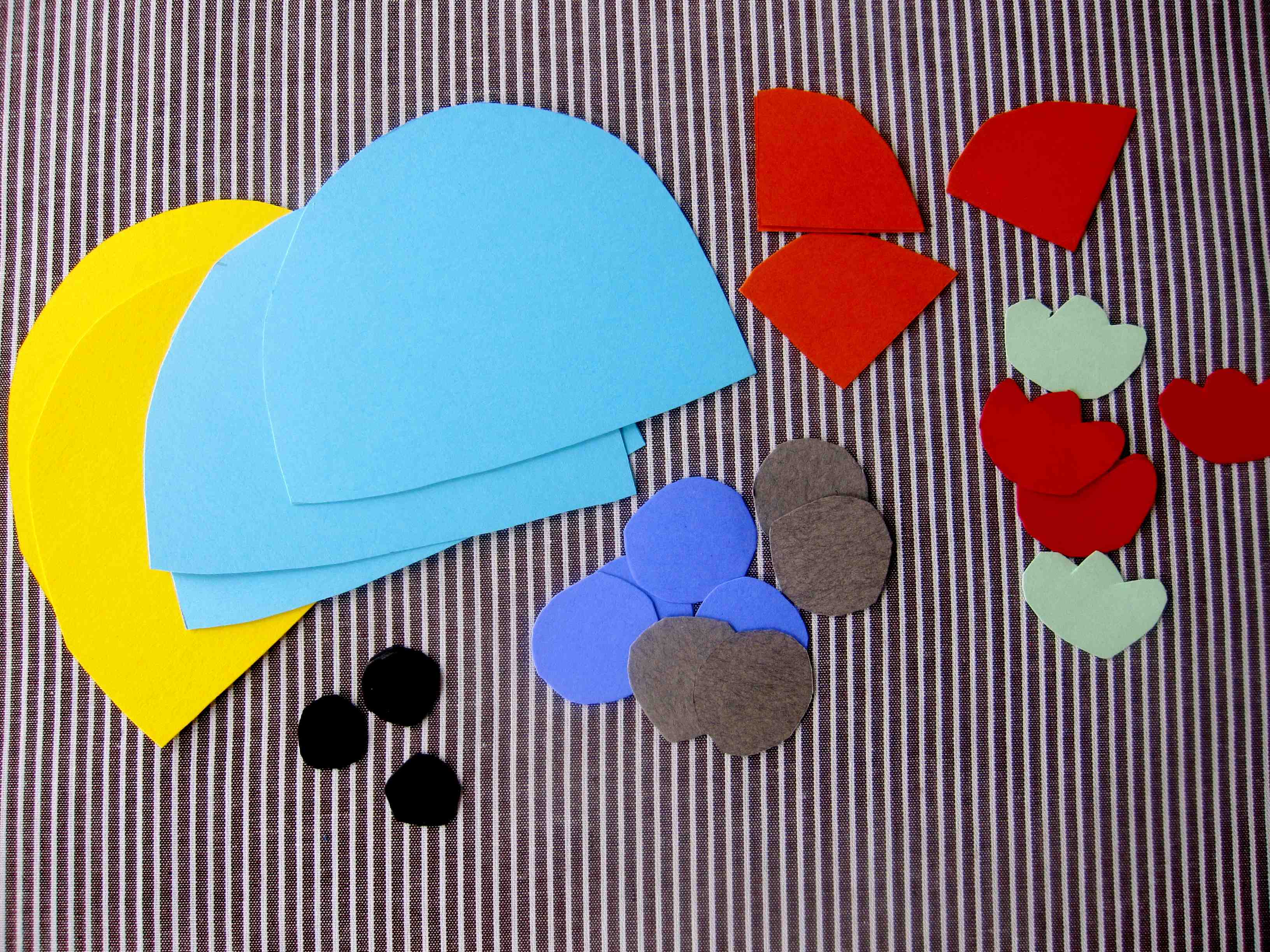
I had a variety of shapes and colors in no time! After cutting, I paired together the seven pieces of paper featured in the book and papercliped them together. That way, each child received a group of the same seven shapes (two small circles, two medium circles, a tulip shape, a pie quarter shape, and a half moon shape) which were the same colors as the shapes in the book and I also used different colors.
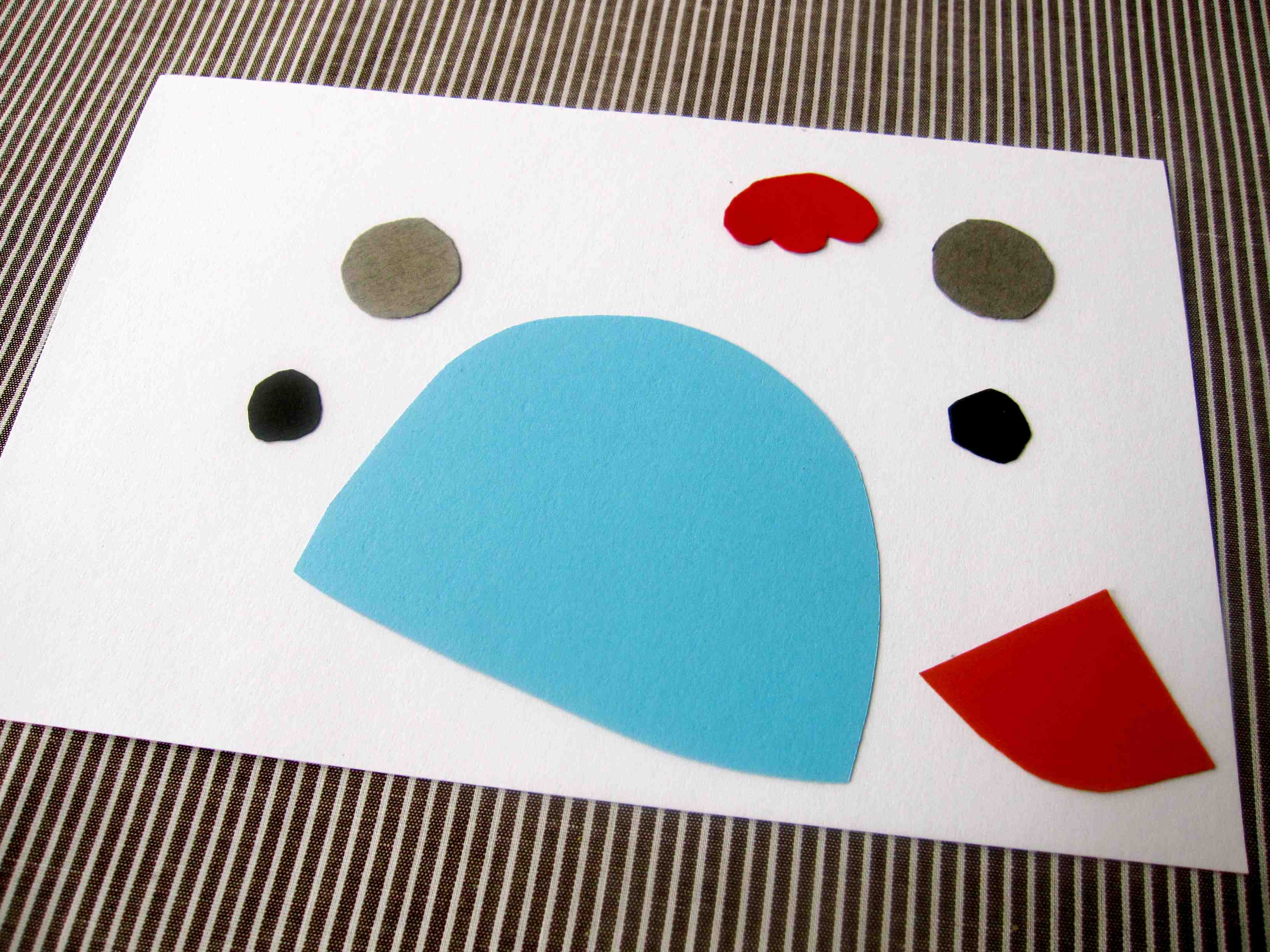
Along with their group of shapes, each child received a pieces of white 8.5 x 5.5 (half sheet of) cardstock.
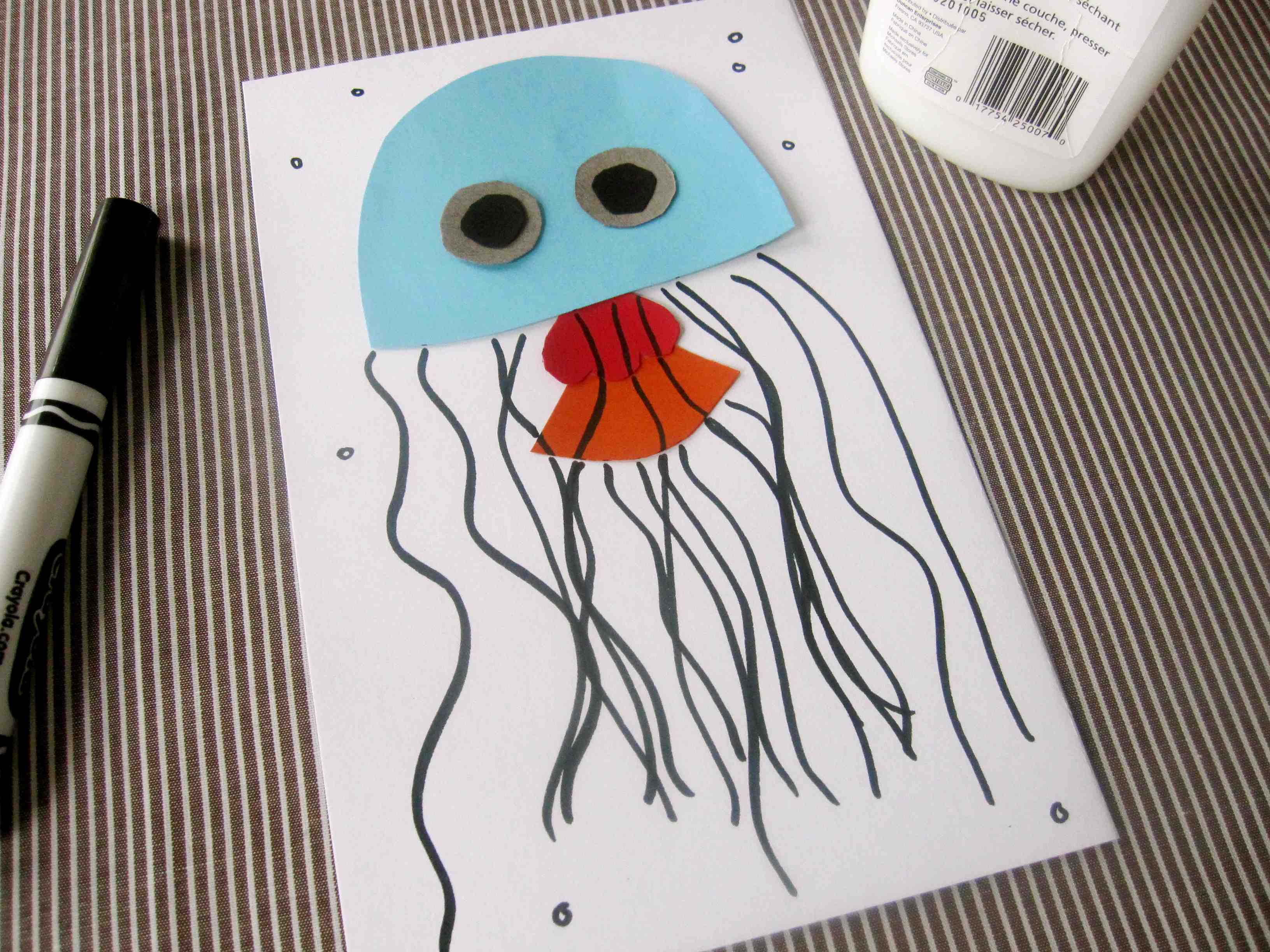
The kids used glue for their shapes, and markers to add any extra detail to their animals. Just like in Windblown!
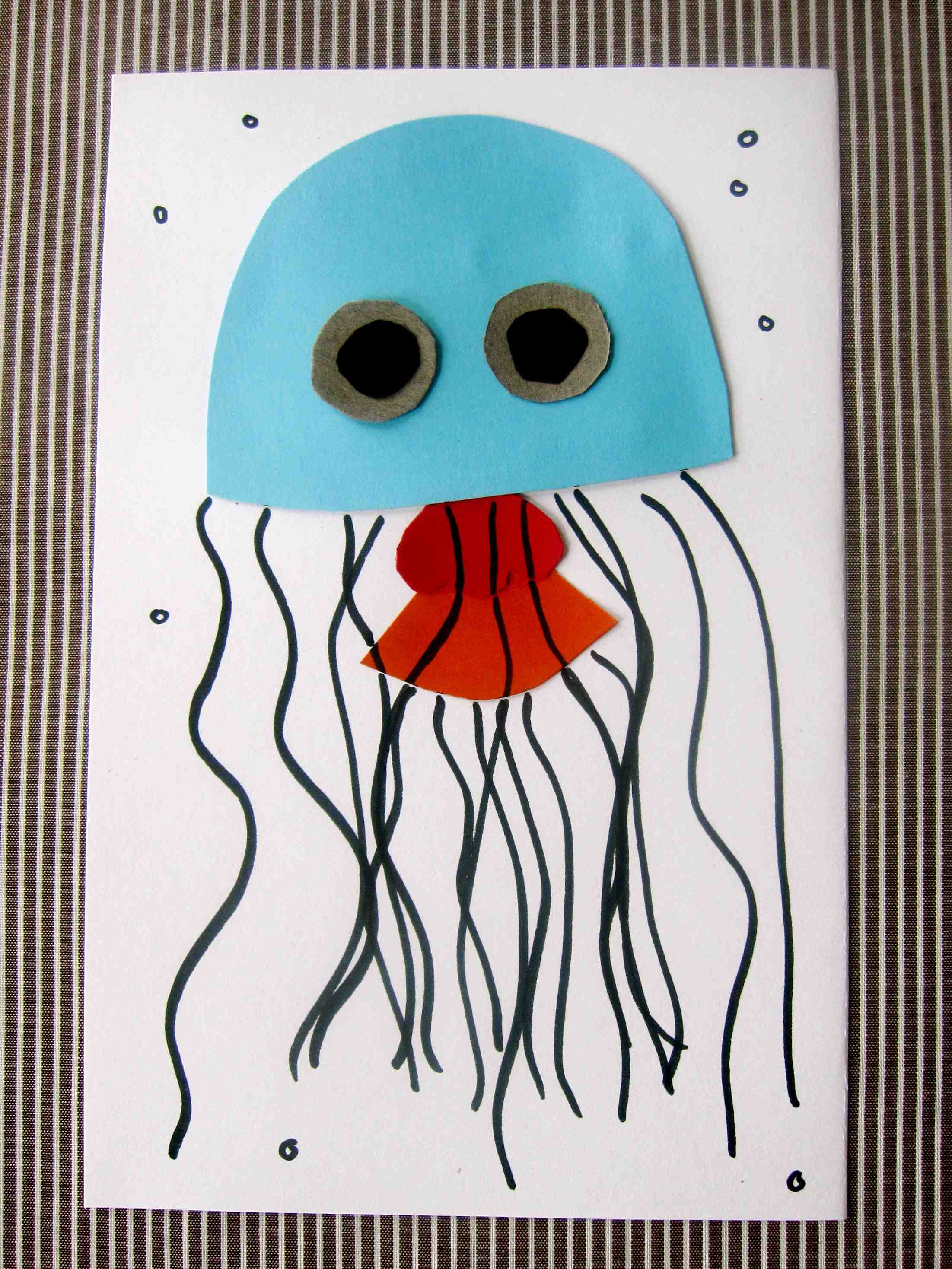 I made a jellyfish.
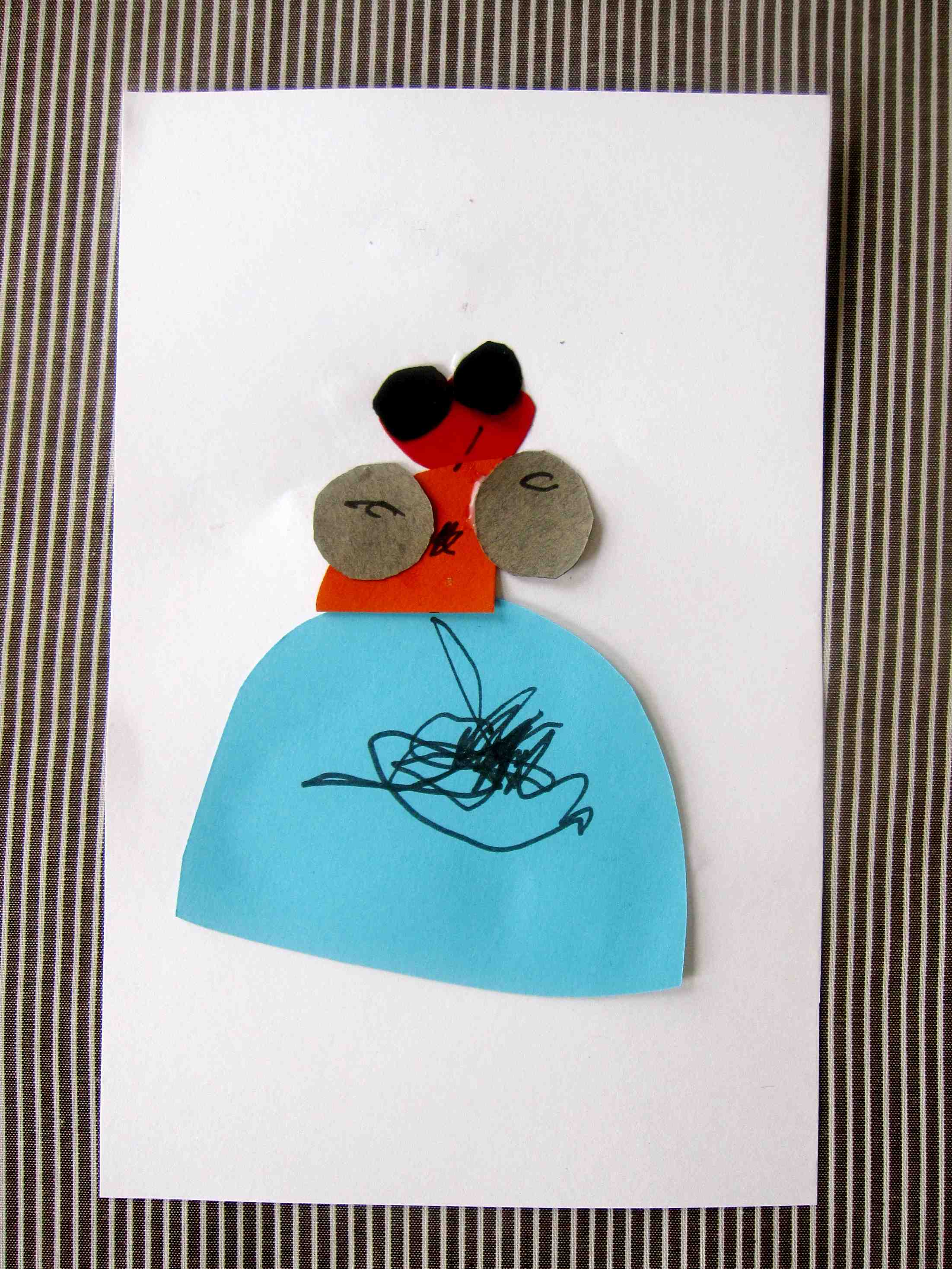 L made a “Winnie the Pooh Bear”.
Here’s a Vine of a few animal the storytime kids came up with:
The kids had a blast coming up with their own animals. Two thumbs up for this book and activity duo!
Looking for another windy day activity?
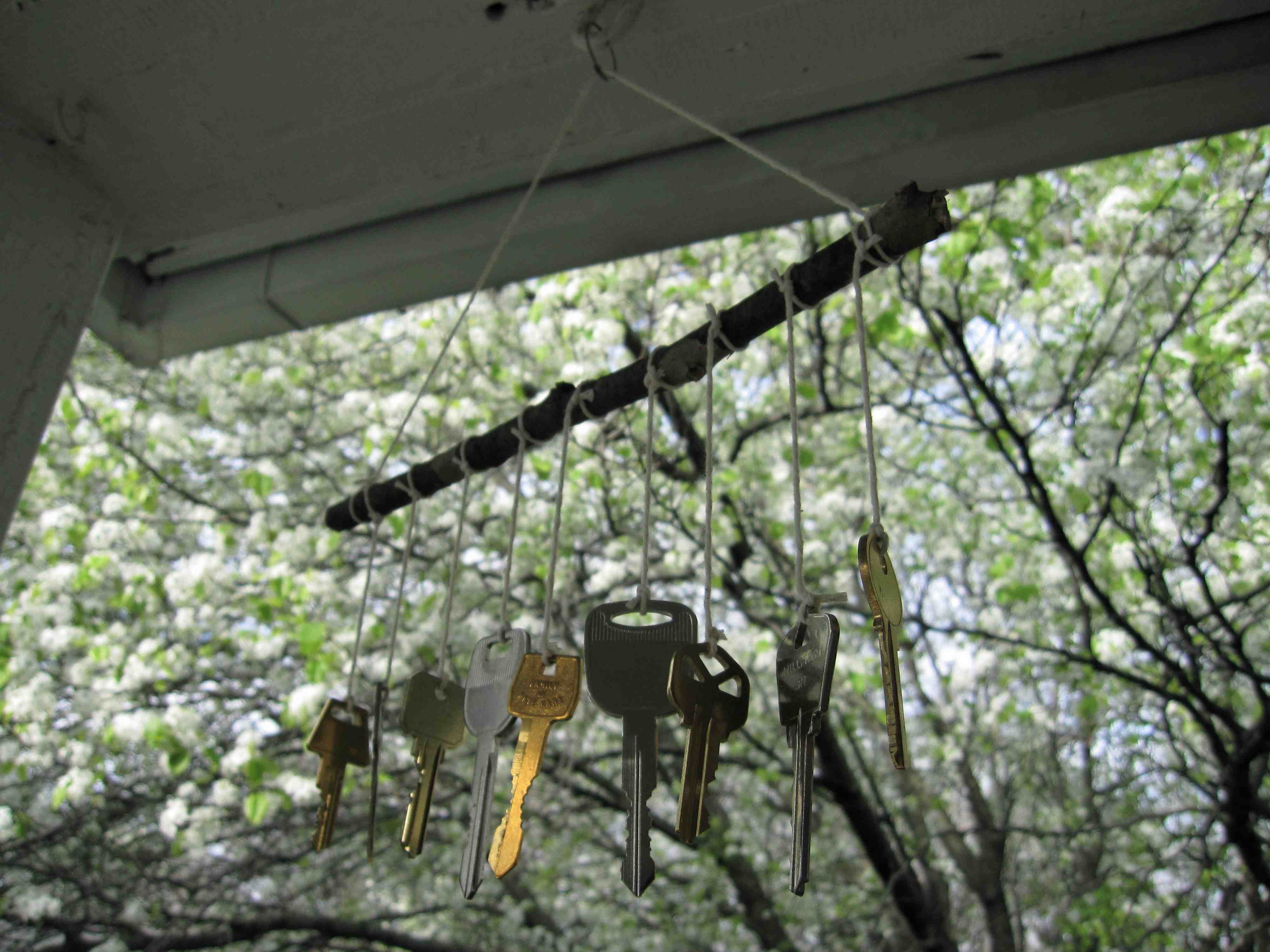
Check out this easy Wind Chime Craft we made last year!
Happy Spring!
image source: windy day wheat

27
Mar
Review: Windblown
Windblow
by Edouard Manceau
Find it at: Your library | Amazon | Indibound
Published: Owlkids Books (April 9, 2013)
Recommended reading age: 2 & up
In a nutshell: One of my primary goals when selecting storytime books for library storytime is to find books that will inspire creativity, and which can also serve as an excuse for infusing art education into reading. Windblown by Edouard Manceau does just that by prompting shape recognition and collage work at the very basic level.
The story starts with the appearance of a single scrap of paper and a grey circle. With each turn of the page, more shapes appear. The narrator (the wind) asks, “Where did they come from? Whose are they?” Turn the page and a chicken claims them, taking form using the various shapes. Turn the page again and a fish, also illustrated with the shapes, claims they are his. And so with each page turn, different animals appear claiming the tiny scraps of paper as their own. That is until the wind quiets them by blowing the pieces as hard as it can back into a scattered array they were before leaving the reader to make of them what he or she will.
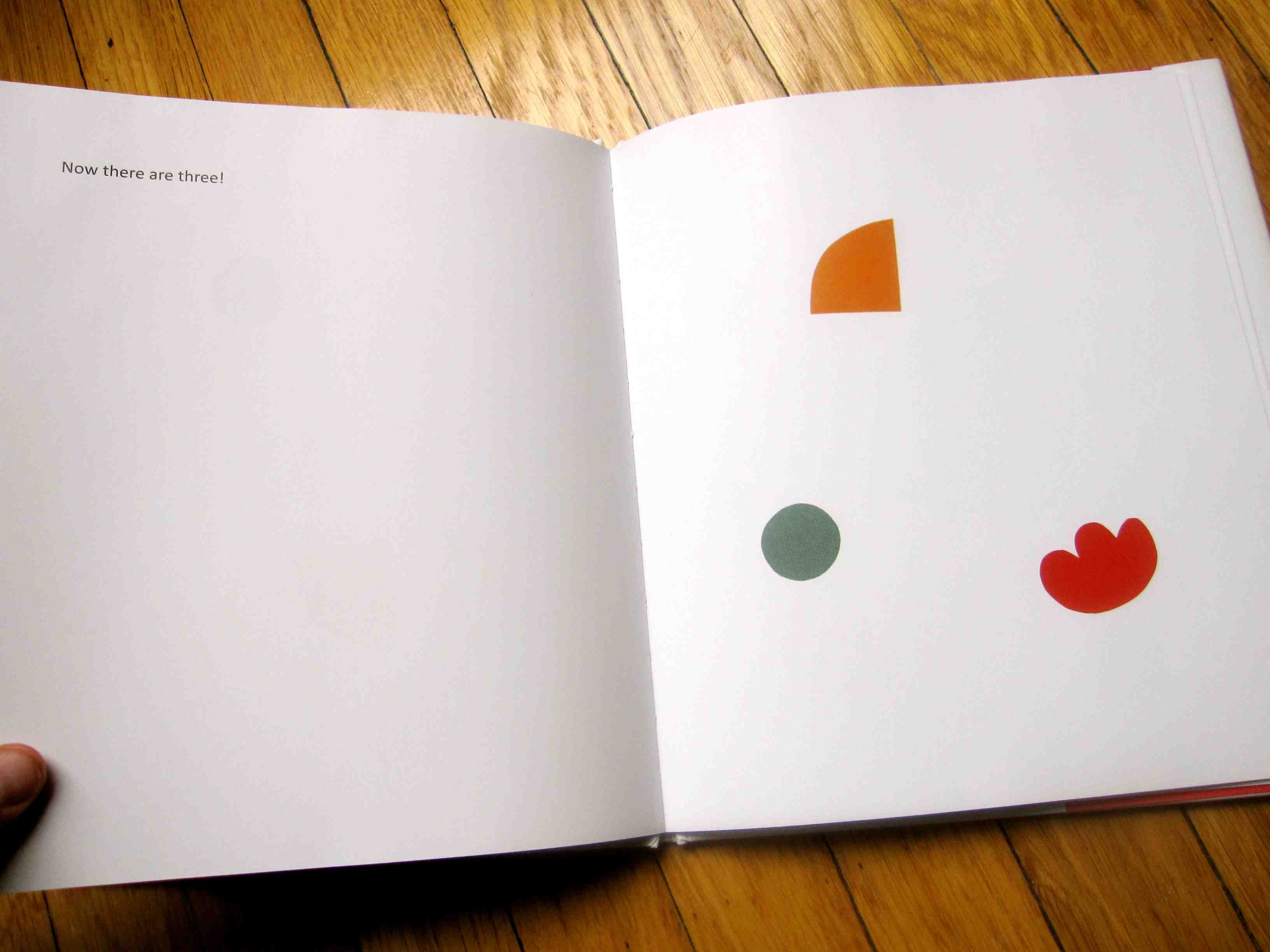
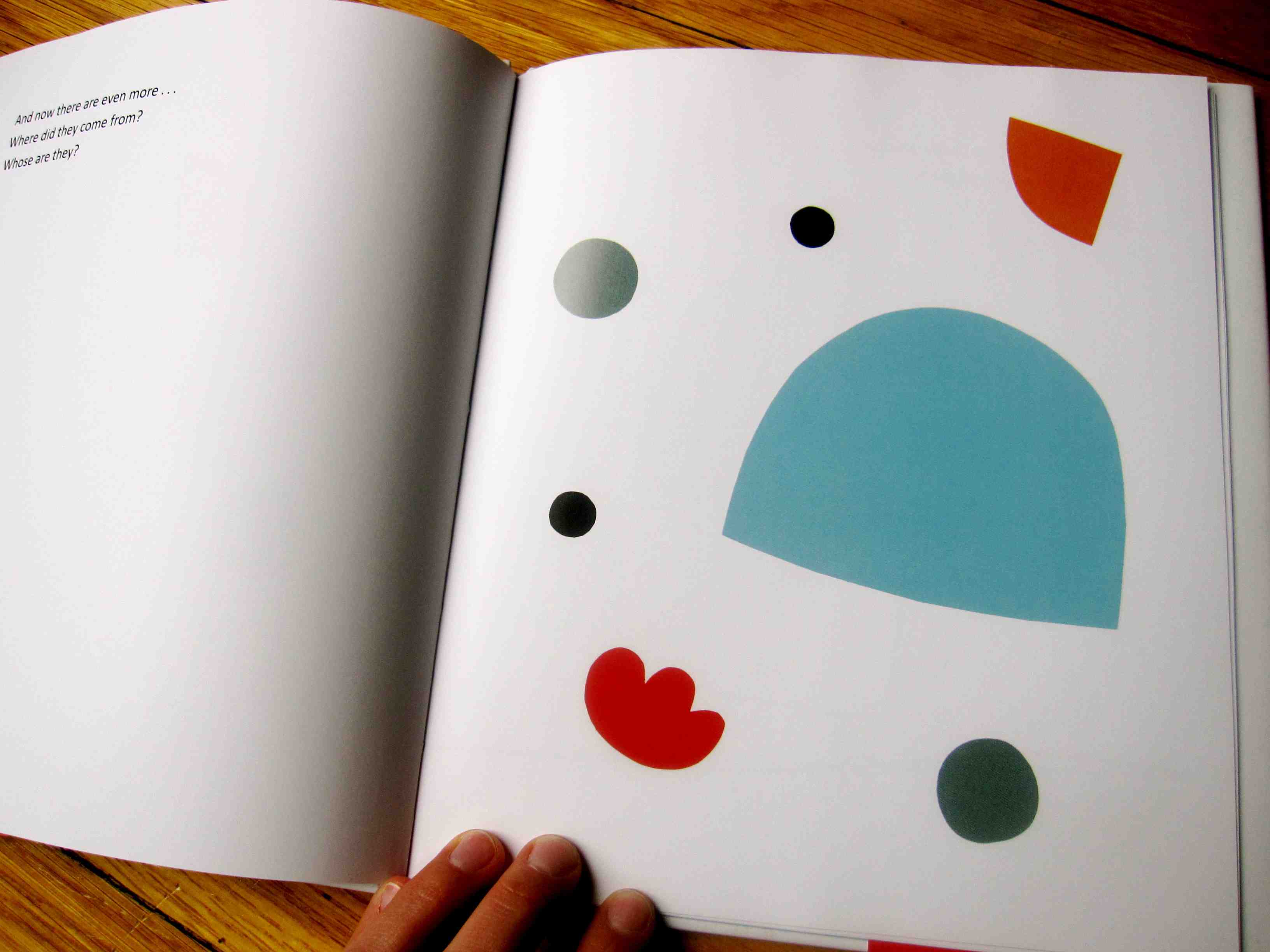
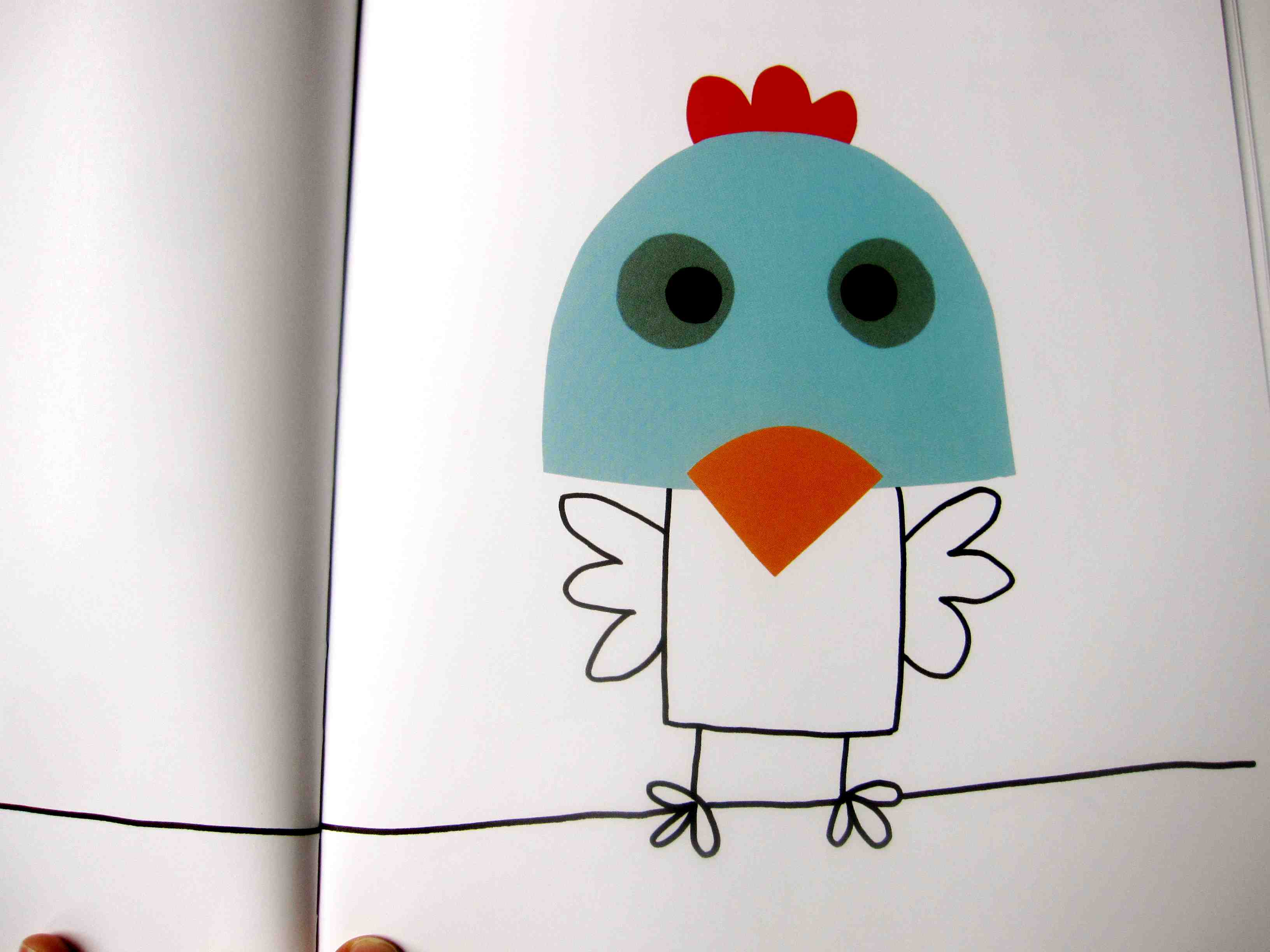
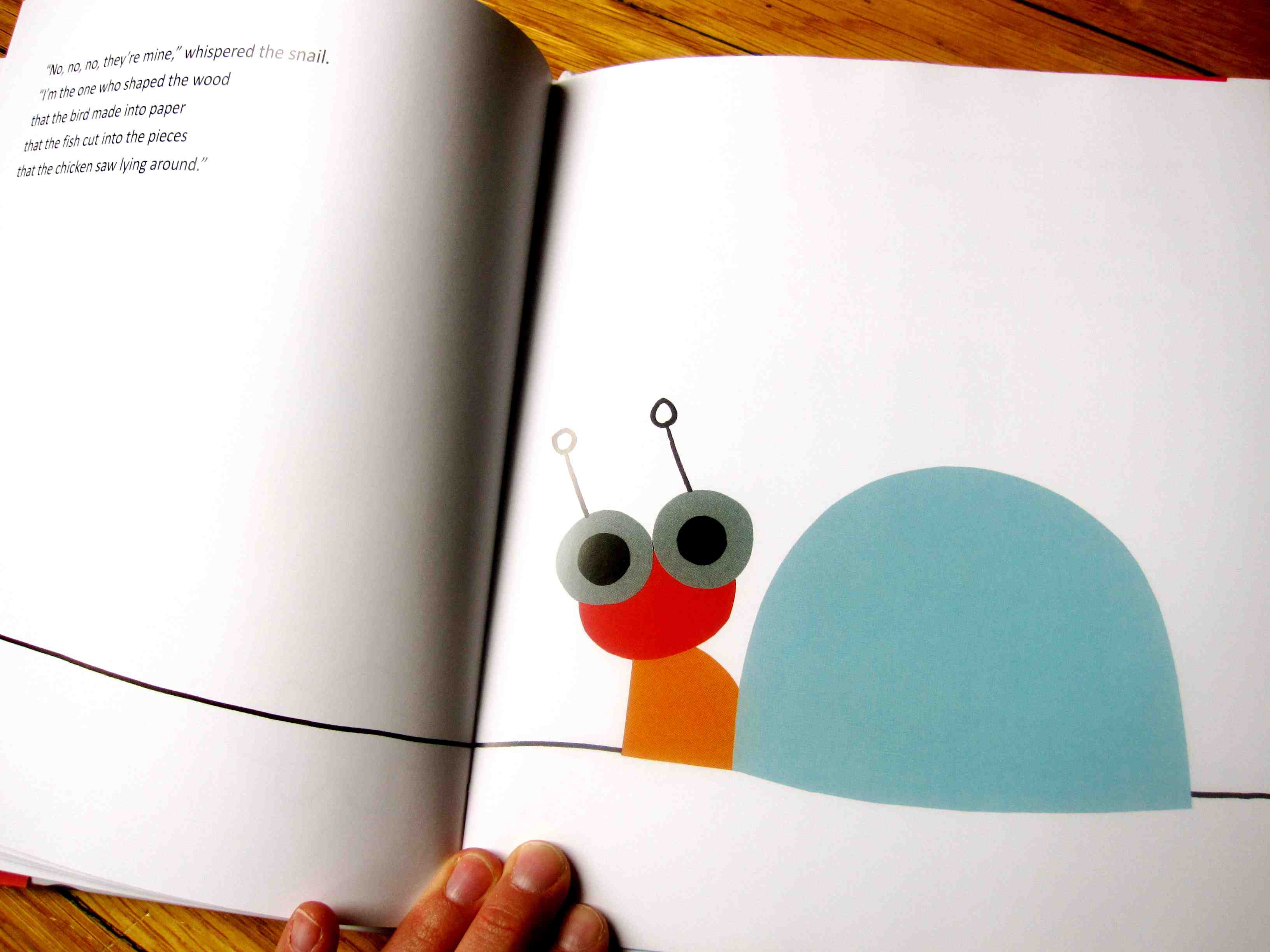
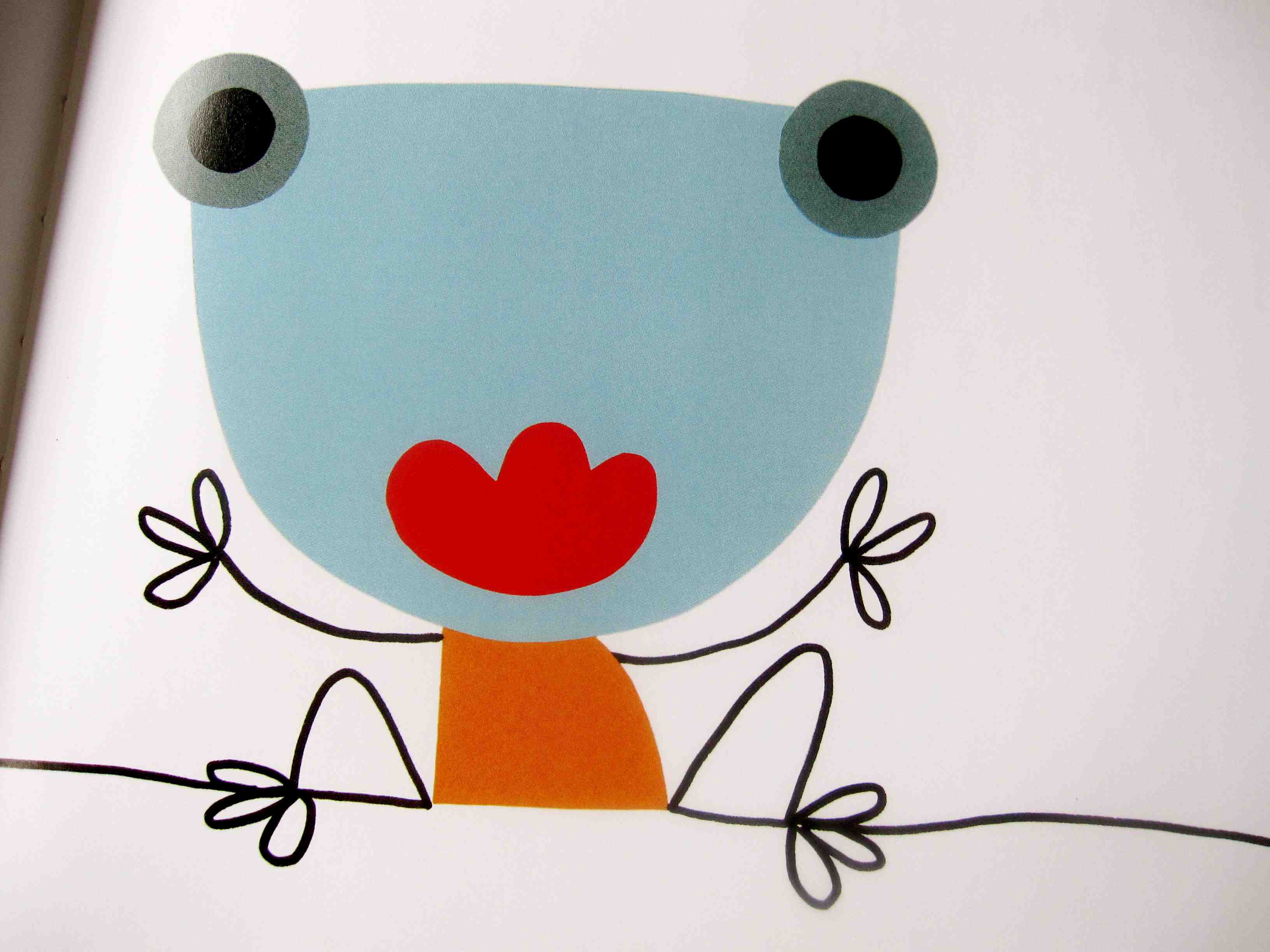
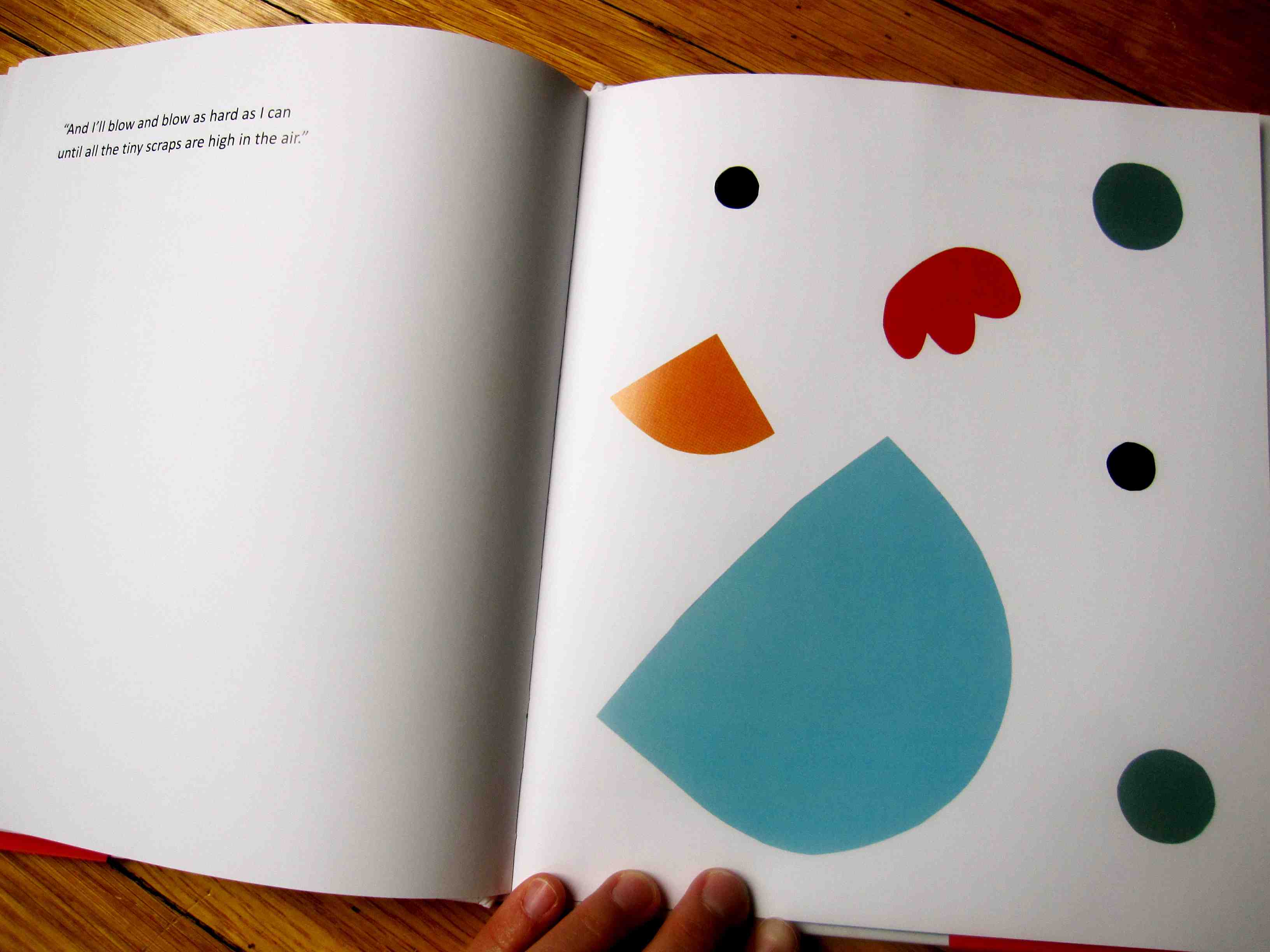
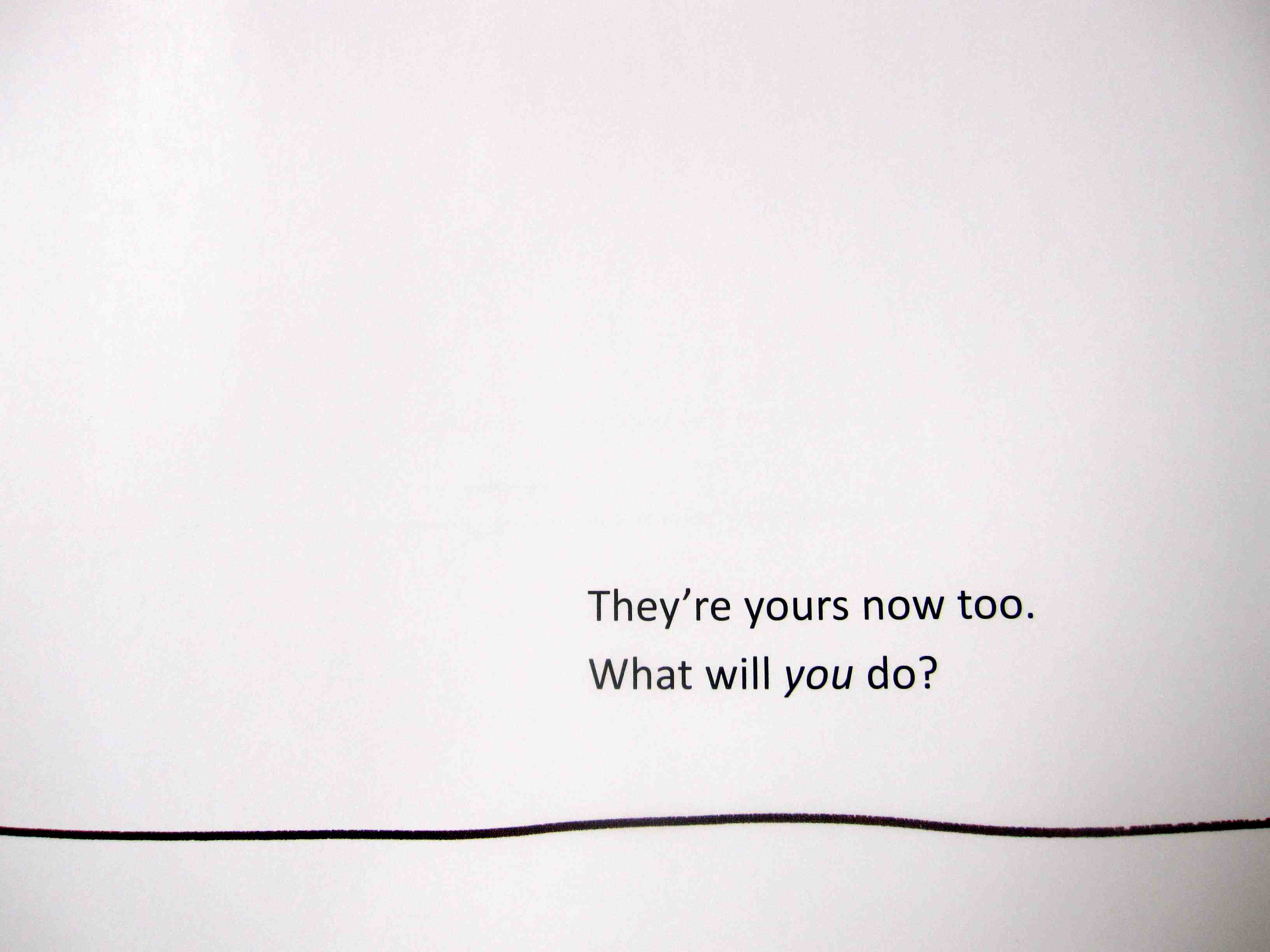
Pretty cool, right? On the back jacketflap of the book there is a web address where the reader can download the shapes featured in the book, giving the reader a chance to answer the wind’s final question, “They’re yours now too. What will you do?” Windblown works as an excellent read-aloud whether it’s with one child or fifty, in a school or library, or at home. Kids will gravitate to the simple, unique format and the way in which the wind addresses the reader, prodding them to make their own creations. It’s a book that doesn’t just end with the story. It opens the door to creativity, play, and art.
Don’t take my word for it: “On its own, Windblown is pretty good. It reaches its full potential, however, when the concept of the book is translated in real life. I hope that happens often. Get your scissors.” -Review from 100 Scope Notes
Extras: Download this free printable activity from the OwlKids website to construct your very own Windblown creatures.
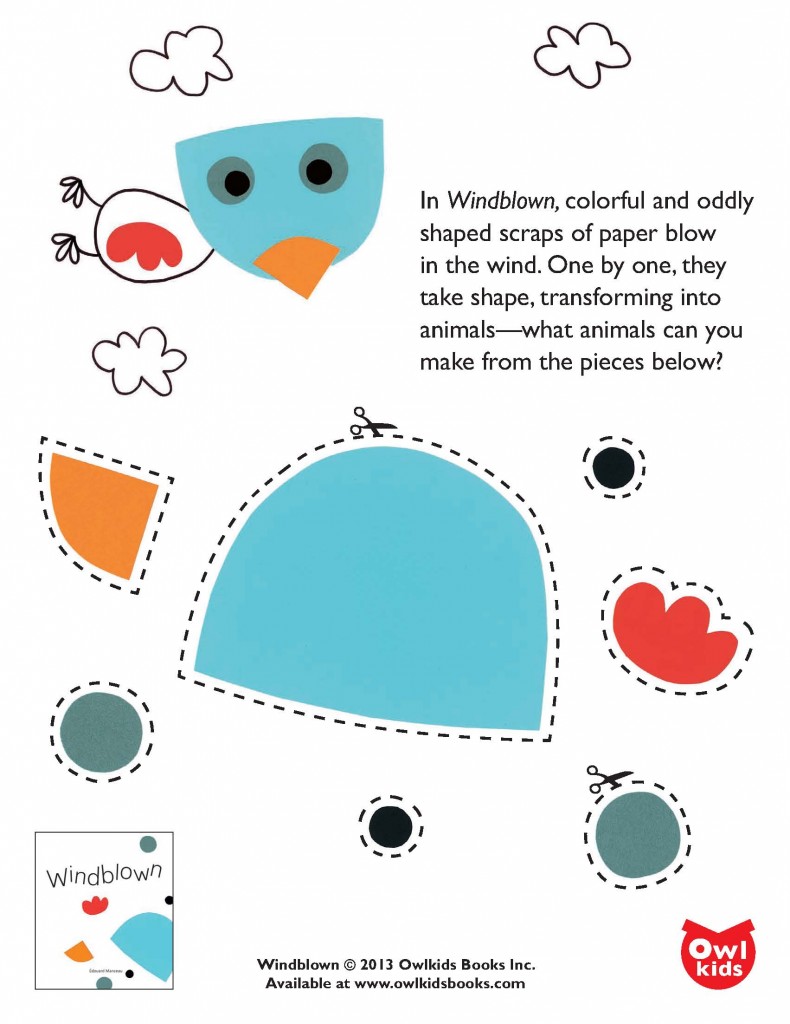
Stay tuned for my next blog post– I incorporated Windblown into library storytime last Sunday and used this activity as the post-storytime craft. The kids loved it!
22
Mar
Create with Maisy: A First Arts-and-Crafts Book
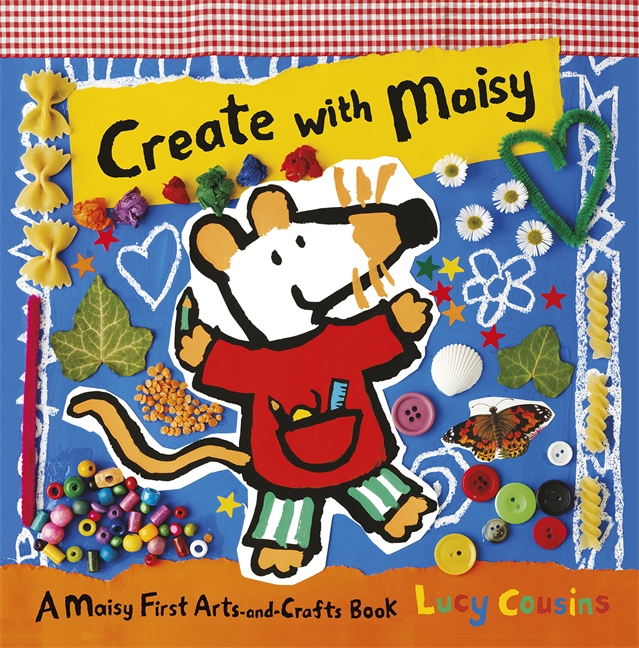
Create with Maisy: A Maisy First Arts-and-Crafts Book
by Lucy Cousins
Find it at: Your library | Amazon | Indiebound
Published: Candlewick (July 10, 2012)
Recommended reading age: 2-8
In a nutshell: It’s almost the end of March, and like many other parts of the country winter is having it’s last hurrah here in northeastern Kansas. Ice and snow and cold and slush, which means lots more time spent cooped up indoors. Recently, we’ve found one way to keep occupied, and with our favorite mouse, no less!
Create with Maisy: A Maisy First Arts-and-Crafts Book is a wonderful collection of crafts for children of toddler age all the way to early elementary school. From constructing houses out of cardboard boxes to making a food garden out of seeds, beans, and uncooked pasta, Maisy takes her reader through very simple simple steps with a short supply list for each of the seventeen crafts outlined in the book. Lucy Cousin’s trademark bright, primary color illustrations and the photograph examples of each craft are friendly and inspiring. I enjoyed how Lucy Cousins opens this book with a message for the grown-ups, emphasizing the fact that “making things is fun.” That if you don’t have all the materials for a craft, just use something else! And always be sure to use safe materials like non-toxic glue and paints.
For you preschool and library-types, Create with Maisy has great ideas for storytime crafts. In fact, I used the vegetable print idea as inspiration for Food Fun Storytime and it was a huge success with the kids.
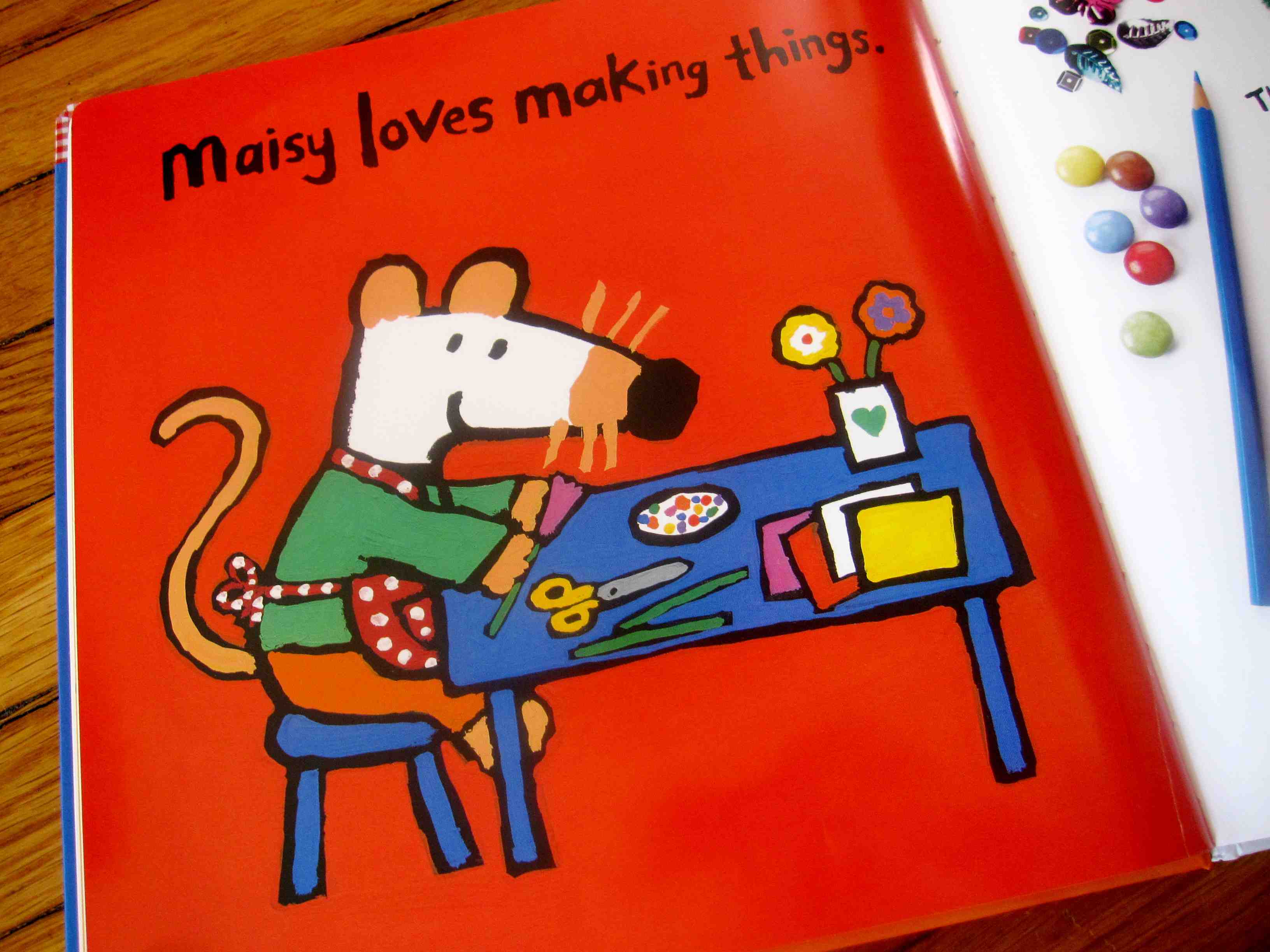
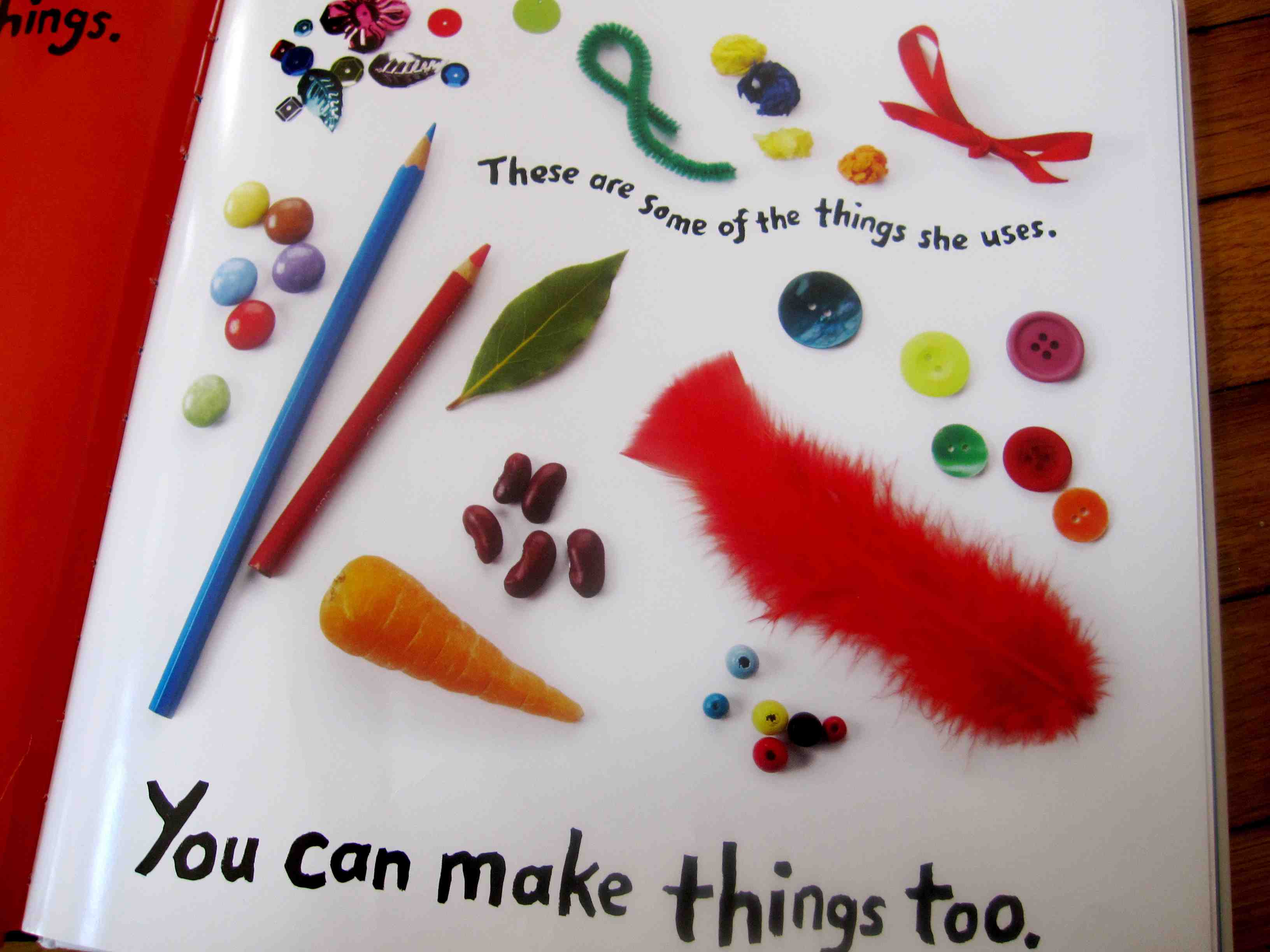
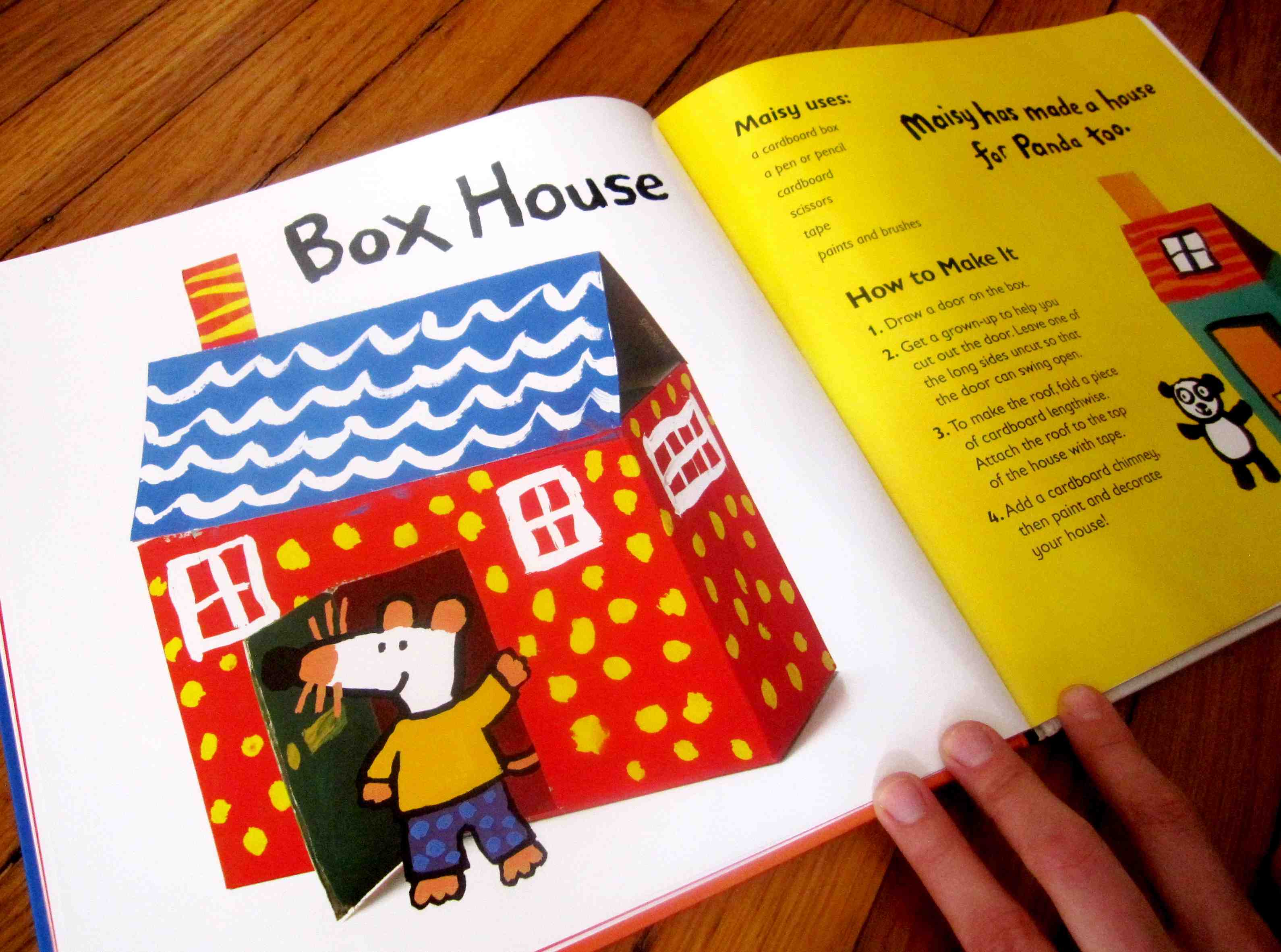
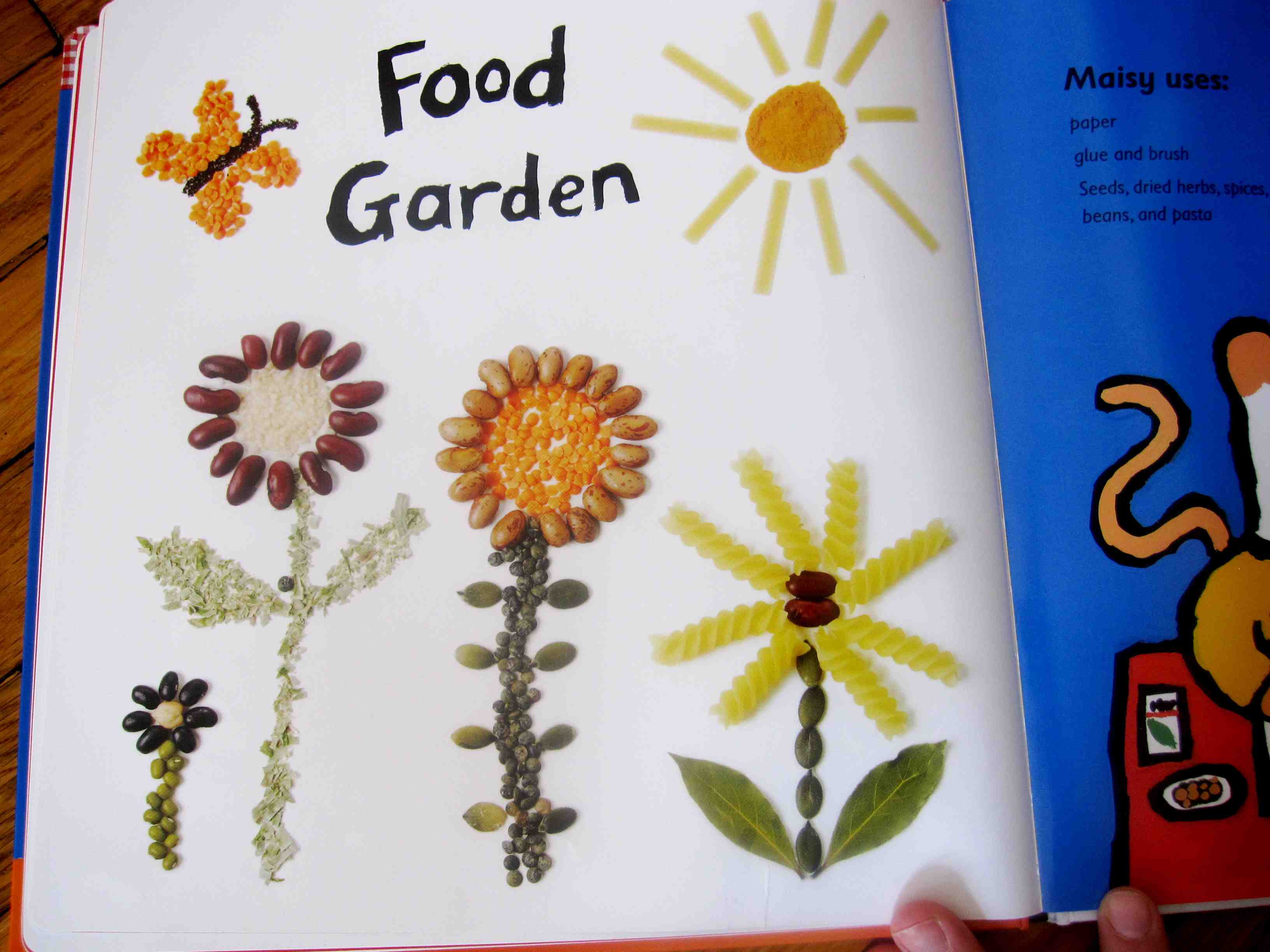
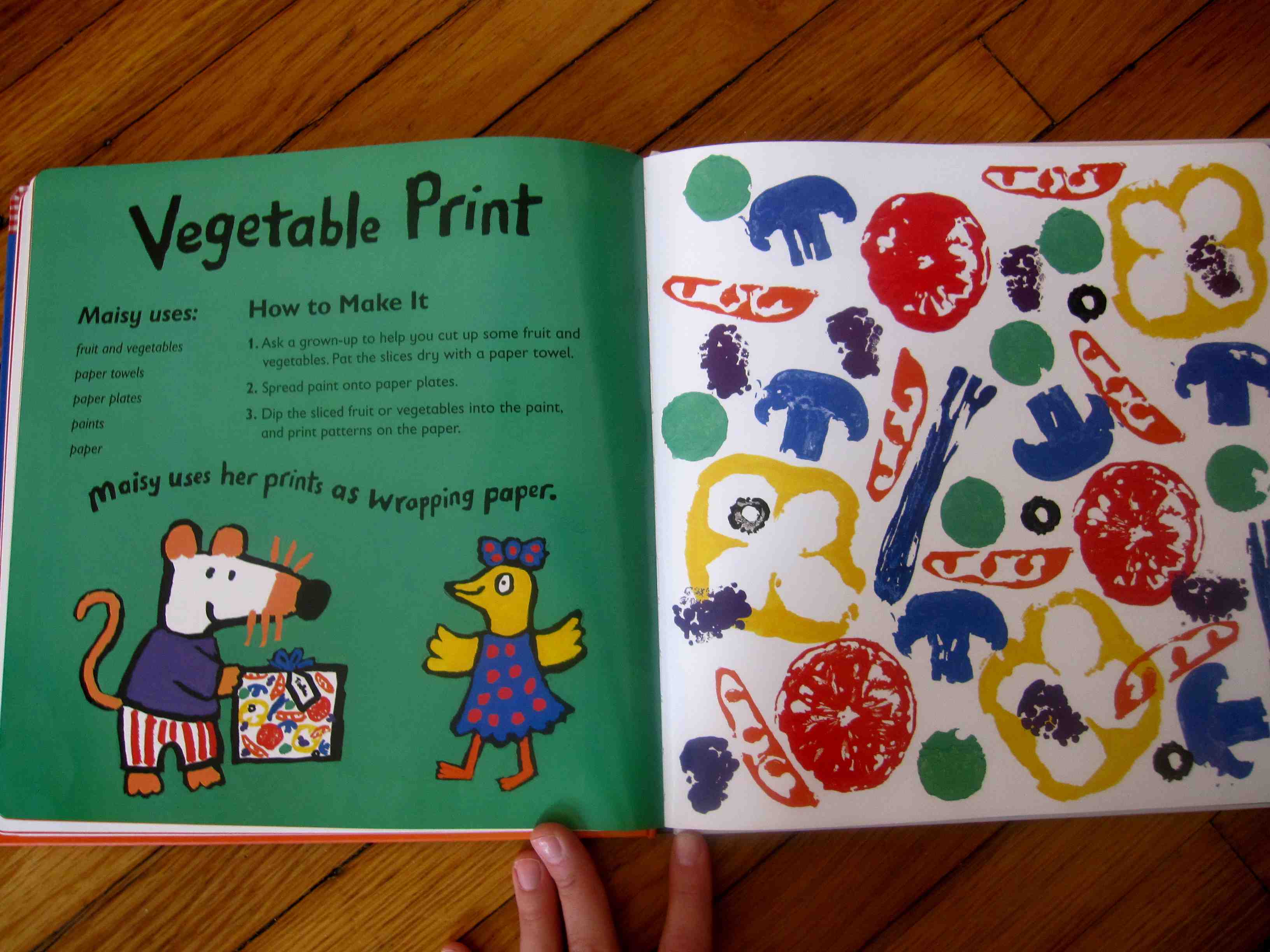
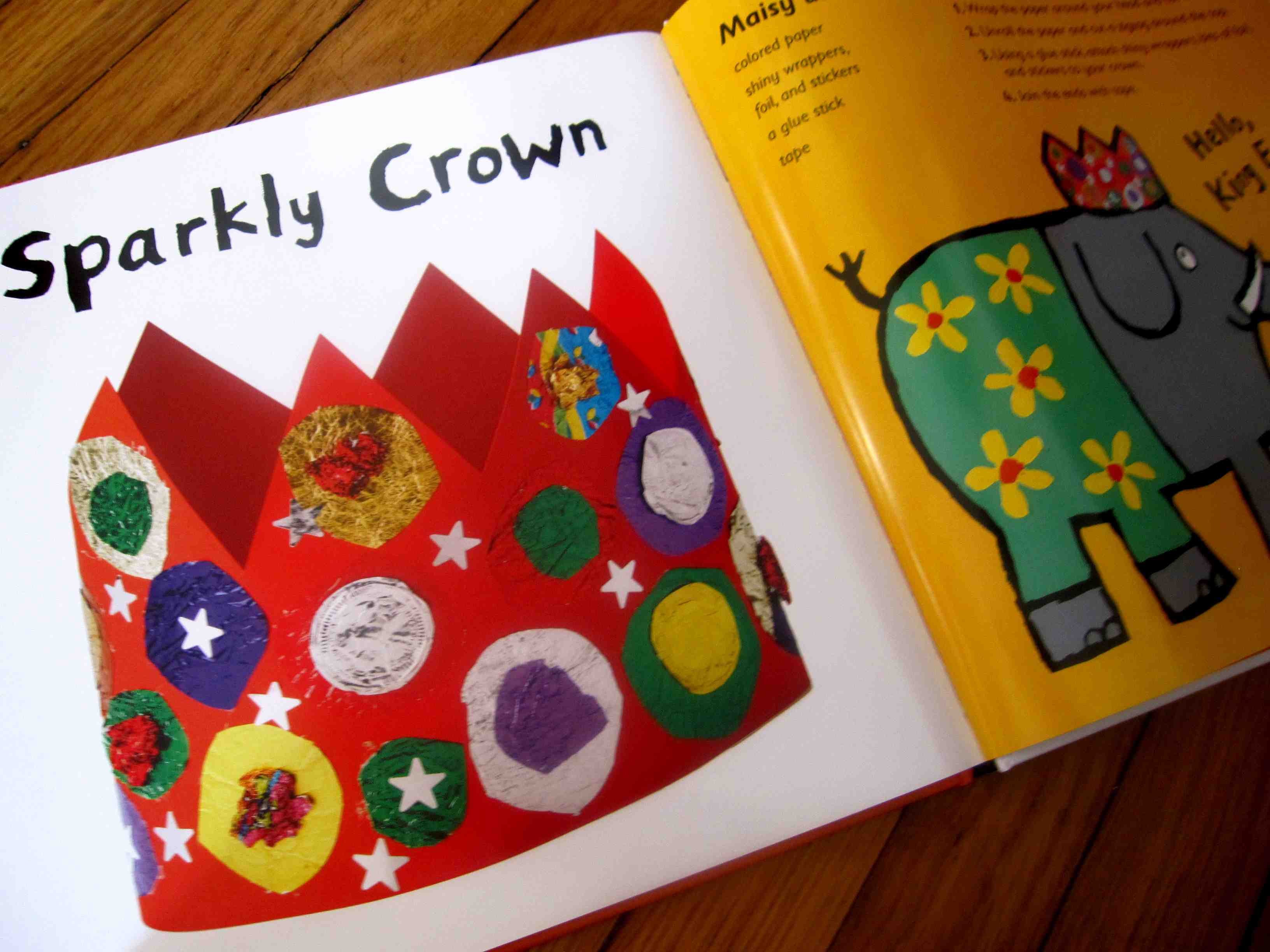
A wonderful introductory book to arts and crafts, Create with Maisy will keep a child busy for hours, and is a gentle reminder for us grown-ups that it doesn’t take much to create and have fun.
Don’t take my word for it: “This will be a favorite not only with preschoolers but also up to second grade, with children who want to do crafts all on their own. The projects are simple and easily duplicated and changed depending on the materials at hand and the child’s imagination.” -review from Little Jean Library.
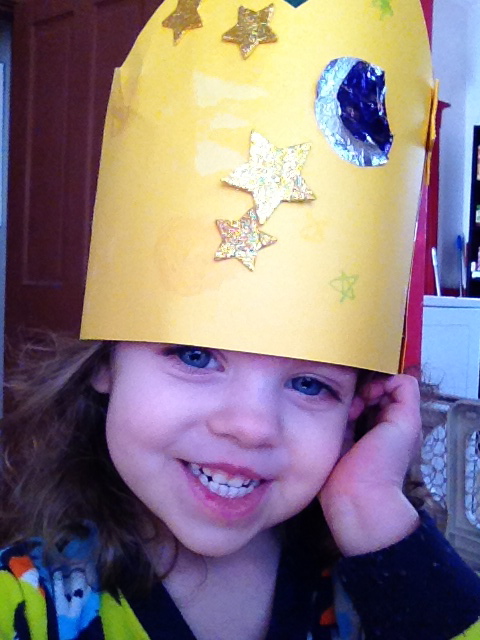
Extras: Here’s one of the crafts we made one snowy day…
Source of book reviewed: My local library!
21
Mar
Author Interview: Jennifer Rush (writing as J.V. Kade)

I’m so excited to host this exclusive interview with Jennifer Rush writing as J. V. Kade, author of the action-packed middle grade novel, Bot Wars! You can read my full review of Bot Wars HERE. Jennifer Rush lives in a little town on the shoreline of Lake Michigan with her husband and two children. She spends most of her free time eating ice cream and reading books. Bot Wars is her first middle grade novel.
Bot Wars Synopsis from Goodreads: “Twelve-year-old Trout St. Kroix has been searching for his missing father for the last two years, after his dad disappeared while fighting in the Bot Wars. The Bot Wars began after robots became so advanced that they revolted and demanded more workers’ rights, causing the government to declare all robots terrorists and ban them from the Districts. Trout never questioned anything the government told him–even when his own nanny bot was banished–until a vid he posts about his missing dad goes viral and new information pops up. At first Trout is wrenched his dad might be alive, but when his brother disappears, Trout learns nothing is what it seems . . . not even his own father.”
The world that Bot Wars takes place in is very different from the world we know. Yet the characters, like the main character Trout, are relatable to today’s reader. Why did you feel it was important to keep the characters so fundamentally similar to today’s reader, yet make the dynamic of the future world so different from what we know today?
JR: I wanted readers to feel like the characters could be them! Or someone they know. To make it easier to see themselves in the story. As a kid, that’s why I read. I wanted to put myself in the shoes of the main character. The princess gets the prince, and all that! But with Bot Wars, I wanted the world around them to, at times, feel like magic. That’s what the future is to me—magic. There are so many things still yet to discover. Inventions still yet to be invented. I just wanted to have fun coming up with a world that could potentially come true, yet still feel like an adventure!
Where did the inspiration for Bot Wars come from? How did you balance between present and future when writing?
JR: Bot Wars started with Trout. His voice came to me fully formed. The first paragraph of Bot Wars is what I first wrote, and for the most part, it’s exactly the same as it was when I wrote it. I think maybe one sentence was added. The story really started with Trout and his older brother Po who lost his leg in the Robot Wars. Usually all my stories start with the characters. They are the most important part for me.
You use analogies between the Bot War and the Civil War. Why did you feel that part of our history should be included in your fictional future? And what is the message that holds within Bot Wars?
JR: I tried to insert a few things readers might recognize, like the Civil War, to keep the story relatable. But, more than that, the Civil War, like the Robot War, was a war about freedom. I don’t want to get too much further into the parallels, for fear of spoilers! I will say this: Trout begins the story with the belief that robots are bad. But are they? Did they really start the Robot Wars?
You’re first books were both published within months of each other; Altered (Little, Brown Books for Young Readers, January 2013) and Bot Wars (Dial, March, 2013), one young adult fiction and one middle grade fiction. What’s is like writing two distinctly different books regarding reader maturity level?
JR: I know some people outside of the industry believe that a writer has to “dumb down” their work when they write for children. But that couldn’t be further from the truth! Kids are smart! Really, the only difference between YA and MG that I’ve found is that you just have to have a little more fun with MG. Insert a little humor! Kids love to laugh. As they should! I also tried to make the themes of Bot Wars revolve more around family. When you’re that age, your family is more important than almost anything else in the world. You haven’t gone out on your own yet. You don’t have the budding independence of a teenager, or the total freedom of a college student. It starts with family.
I’m always curious what other families are reading. What are your kids’ all-time favorite books? What are they currently reading?
JR: My son, who is nearly fourteen, loves the Dragonbreath series, and the Wolves of the Beyond series, but he also devours manga. My daughter, who is four, loves the funny picture books. Like No, David, and Dragons Love Tacos.
What books did you most enjoy reading as a child?
JR: I loved ALL vampire fiction. Like Christopher Pike’s The Last Vampire series. And L. J. Smith’s Vampire Diaries. I devoured almost all of Christopher Pike’s work, though. But more than that, I really gravitated toward strong female characters.
I understand you’re not only a writer, but quite the photographer and have your own photography company. How did you get into photography?
JR: I upgraded my camera because I wanted to take better pictures of my kids. I’d always been into photography, but never took the time to learn about it. When I got my new camera, I figured I better teach myself how to use it properly, otherwise the investment would be for nothing. So I did. I taught myself how to use my camera in manual mode, which is the only way to use it, in my opinion! You get the most out of it that way. From there, I just fell in love. It was like the world opened up around me. Pictures are powerful.
Do you have a picture or two you’d like to share with us? Where and when did you take them?

JR: The first one is of my daughter! She’s my muse. And I’m not saying this because she’s my daughter (I hope?) but the girl is photogenic. She can’t take a bad picture. It makes my job easy. This picture was taken in a tiny field off a busy street. It says so much about her. About how adventurous she is! But how bright of a personality she is, like the red of her coat against the subtle yellow/brown of the field grass.

JR: The second picture I took in Arlington Cemetery. We took a family vacation to Washington D. C. last September. The kids were with my mother-in-law at the time, so it was just my husband and I. We were on our way home when we were driving past the cemetery and I said, “Can we stop please? I don’t want to leave DC without seeing Arlington Cemetery!” So we pulled off the freeway and went in, but it was late. They were closing soon. The sun was setting! I knew I wanted the sunlight in the background. So, as soon as I entered the cemetery, I ran. I ran and ran and ran all the way back to the farthest part of the cemetery, trying to catch the light. And I did. For a short few minutes, the light blazed over the treetops and the gravestones and it was perfect.
Publishing two books in less than three months is quite an accomplishment for a first time author. What advice do you have for budding writers?
JR: Write. Read. Read some more! Know the industry before you start submitting. Knowing where to submit, and who to submit to is half the battle. And did I say read? 🙂 Reading is one of the most important things for a writer. Read your favorite authors and take notes.
To wrap things up, I thought it might be fun to share a few tibits about yourself with your readers….
Five things you didn’t know about Jennifer Rush:
1. Can’t live without: A comfy sweater
2. Favorite place to read is: in my big comfy chair!
3. Most influential person/people: I’m picking two. Cheater! Hatshepsut and Cleopatra
4. Favorite word: Champion
5. Hidden talent: I can fold fitted bed sheets like nobody’s business
A BIG THANKS to Jenn for taking time for this interview! Bot Wars is on shelves today. For more info, you can visit Jennifer Rush on her website, as J.V. Kade, and follow her on Facebook and Twitter.
20
Mar
Review: Bot Wars
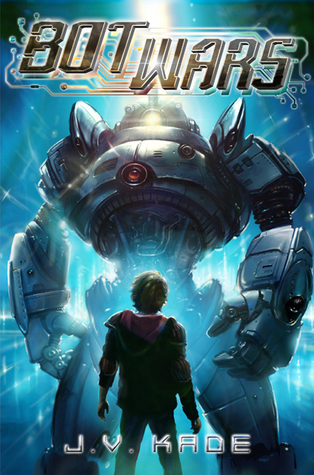
Bot Wars
by J.V. Kade
Find it at: Your library | Amazon | Indibound
Published: Dial Books for Young Readers, imprint of Penguin Young Readers (March 21, 2013)
Recommended reading age: 10 & up
In a nutshell: Action, adventure, and a new author to put on your radar. Bot Wars by J.V. Kade, pen name for Jennifer Rush, is a futuristic, dystopian read, with robots and techie gadgets that would make anyone wish for a fast forward button to the future just to experience the world created in this wild ride of a read.
Just make sure you remember to breathe. It’s a full-out action sprint.
It’s been two years since the Robot Wars, and twelve-year-old Trout St.Kroix’s dad, a solider, is still missing. His “heart thread”, a tracking device chip that everyone has implanted in their heart, has been “offline” since the war ended. Bots used to be everywhere; Trout even had one as a nanny when he was young. Now they are feared and labeled as dangerous. Trout’s teenage brother Po lost his leg to Deeta disease, a byproduct of serving in the war. Trout likes to hide Po’s prosthetic leg just for kicks until Po threatens to take away Trout’s Net-tag, a keycard that gives him access to the Network (read video games), something no preteen boy could survive without.
In an attempt to locate his dad, Trout devises the long-shot plan of sending a vid viral on the Net in the hope that someone has information. It works. When Po learns what Trout did, he is furious – but for reasons he won’t share with Trout. Po orders the vid be removed, but it is too late. Still angry with his brother for the unshared secrets, the next day Trout receives a call from Po which says only one thing, “RUN!” In a frantic escape, Trout finds himself forced to choose between two paths; surrender to government patrolmen, or take the help of a robot he was taught to distrust more than anything else.
And that’s only the first quarter of the story! Any down time for Trout is few and far between. The futuristic lingo and phrases like “All geared out” or “Totally wrenched” are quick to pick up on, as well as the techie terminology. One of the most enjoyable elements of the story was all the different gadgetry, such as cars that can auto drive, links (modern cell phones), and my personal favorite, hoverboards (think skateboards, but they can fly). I tend not to gravitate towards science fiction. Realistic fiction, historical fiction, and fantasy are my go-to reads, but this book has me reconsidering a new reading life in sci-fi. Bot Wars completely won me over. Craftily written, relatable characters, and a clever, truly original storyline; I couldn’t put it down.
Middle grade readers who enjoy a heavy dose of action in their reading will, without a doubt, find themselves absorbed in this page-turner. The only problem for readers is knowing they’ll have to wait a whole year for the second installment in the series to come out in March 2014.
Don’t take my word for it: “This is an action-packed, cleverly imagined middle grade book with strong boy appeal. Hand this off to those who want futuristic books, those who love science-fiction, and those who would like reading a book about a boy who won’t give up hope.” -review from Heise Reads & Recommends.
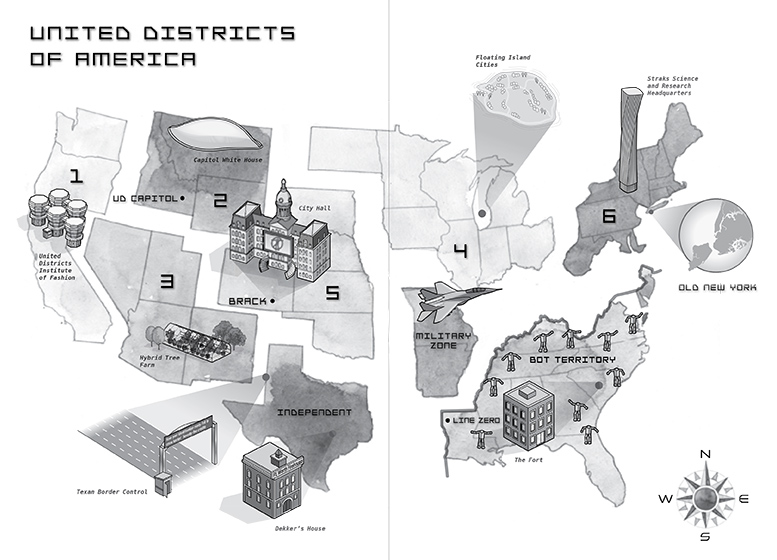
Extras: Bot Wars map of the United Districts of America:
Visit J.V. Kade on her website.
Source of book reviewed: Advanced reader copy provided by the author.


